Client & Estate Background
The client is a prominent real estate developer specialising in high-end residential communities. They were in the process of constructing a luxury estate in Runda, Nairobi, comprising 25 exclusive villas, a clubhouse, swimming pools, manicured gardens, and a golf course. Water was a critical element of the estate's appeal—both for the lush landscaping and for the residents' daily comfort.
The developer initially planned to rely on the municipal water supply, but after experiencing frequent shortages and poor pressure in other developments, they realised that a standalone water solution was essential to guarantee service reliability and attract discerning buyers. They approached WaterLink Limited to design and install a borehole that would meet the estate's full water needs and uphold the development's premium positioning.
Project requirements:
- Reliable water supply for 25 luxury villas (domestic use, irrigation, pool top-ups).
- Peak flow capacity of at least 15 m³/hr.
- Excellent water quality suitable for all uses, including drinking and irrigation.
- Discreet installation with minimal visual impact.
- Full integration with the estate's landscaping and architectural design.
- Compliance with WRA, NEMA, and county regulations.
The Challenge
Runda is a prestigious residential area underlain by volcanic formations—trachytes, phonolites, and basalts. While these rocks can hold substantial groundwater, they are notoriously hard and can be fractured unpredictably. Additionally, the estate was already under construction, so space was limited, and operations needed to be planned to avoid interfering with the development schedule.
The specific challenges included:
- Hard rock drilling – volcanic formations require heavy-duty DTH equipment and can slow progress.
- Variable aquifer depth – surveys suggested the productive zone might lie between 180 and 250 meters.
- Space constraints – the drilling had to be carried out in a designated area without disrupting landscaping or other construction activities.
- Environmental sensitivity – the site was in a residential area, requiring strict noise and dust control.
- High aesthetic standards – the borehole infrastructure had to be concealed or aesthetically integrated into the estate design.
- Regulatory compliance – full WRA permit and NEMA EIA were required, with careful abstraction planning to avoid impacts on nearby boreholes.
Despite these challenges, the developer was confident in WaterLink Limited's track record of delivering successful projects in similar high-end settings.
Survey & Planning
Our team conducted a meticulous site assessment to maximise the chances of success:
- Desk study – reviewed geological maps and groundwater data specific to the Runda area.
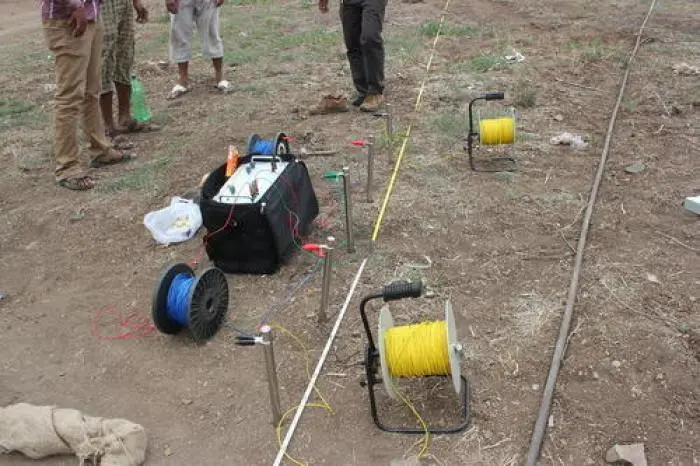
- Hydrogeological survey – used electrical resistivity tomography (ERT) and seismic refraction to identify potential aquifer zones and estimate depths. The survey indicated a promising fracture zone between 200 and 230 meters.
- Geophysical logging – confirmed the presence of water‑bearing fractures and assessed water quality.
- Environmental Impact Assessment (EIA) – prepared by our environmental consultants, addressing noise, dust, and groundwater abstraction impacts.
- WRA permit application – submitted with detailed technical documentation and an abstraction plan that respected the area's groundwater levels.
- Site logistics plan – developed to minimise disruption and ensure the drilling site was restored to its original condition.
Based on the survey, we set a target depth of 220 meters and chose a location that would allow easy integration with the estate's water distribution network.
The Drilling Process
With permits and approvals in place, our team mobilised to the estate. The project was executed in three phases:
Phase 1: Setup and Preparation
- Site preparation with temporary barriers and noise-reduction measures.
- Installation of the drilling rig and auxiliary equipment within the designated footprint.
- Drilling of a pilot hole to 50 meters to assess formation stability.
Phase 2: Drilling to Target Depth
- We used a DTH (down‑the‑hole) hammer drilling technique, which is ideal for hard volcanic rock.
- At 200 meters, we encountered a fractured zone with a significant increase in water inflow.
- We continued drilling to 220 meters to ensure we had fully penetrated the productive zone.
- Total drilling time: 8 days.
Phase 3: Development and Testing
- After reaching 220 meters, we developed the borehole to remove drilling debris and fine particles.
- A step‑drawdown pumping test was conducted to determine the optimal pumping rate and confirm the yield.
- Water samples were sent to a certified laboratory for comprehensive analysis.
Throughout the process, we maintained strict environmental controls and ensured the site remained clean and safe.
System Design & Water Treatment
The water quality analysis showed excellent results: pH 7.2, TDS 250 mg/L, hardness 110 mg/L, and no bacterial contamination. This allowed us to design a cost-effective treatment system.
The complete water system for the estate included:
- Sediment filtration – a multi‑stage filter to remove any sand or suspended solids.
- UV disinfection – a UV steriliser to ensure microbiological safety.
- Reverse osmosis (RO) – installed at the clubhouse to provide ultra‑pure water for drinking and catering.
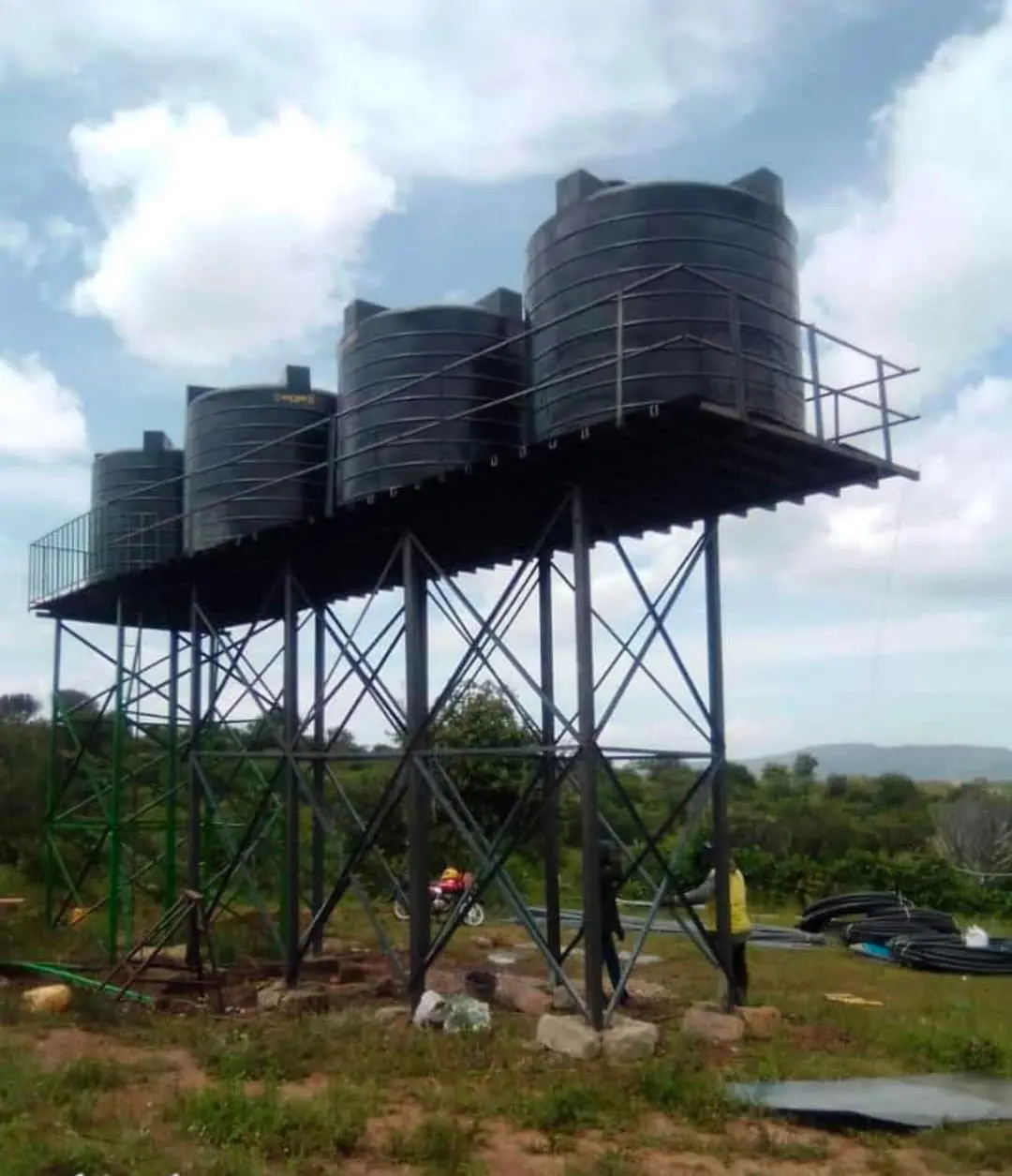
- Storage and distribution – a 100,000‑litre underground storage tank with a variable‑speed pump system to maintain consistent pressure across the estate.
- Automated control – a PLC‑based system that monitors water levels, pressure, and flow, with remote access for the estate manager.
The system was designed to be highly reliable and to operate with minimal intervention, fitting the luxury standard of the development.
Completion & Pump Installation
With the pumping test confirming a sustainable yield, we completed the installation:
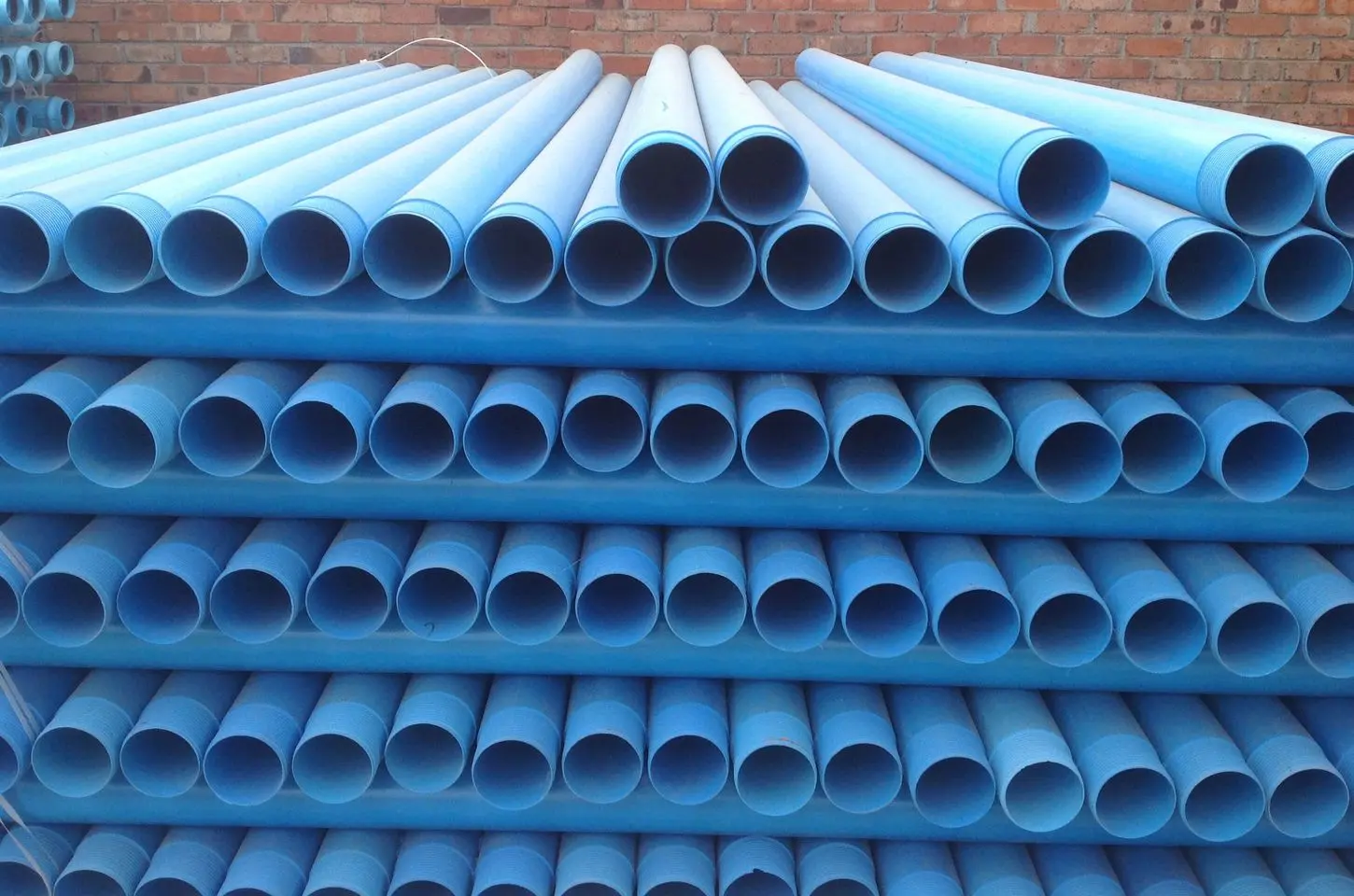
- Casing – 6‑inch steel casing from the surface to 60 meters, followed by 4‑inch uPVC casing and screen from 60 to 220 meters.
- Gravel pack – graded gravel placed around the screen to ensure proper filtration.
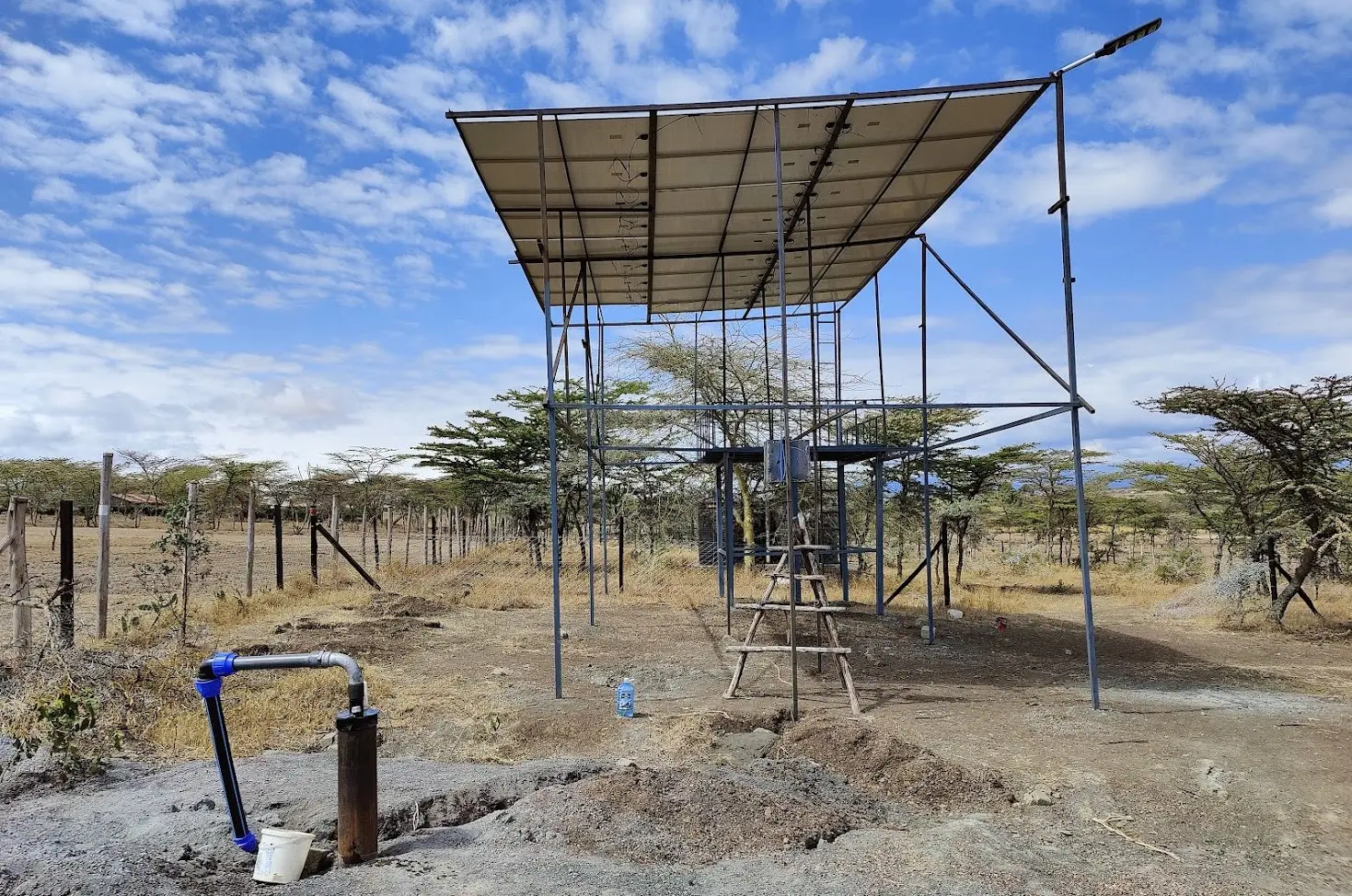
- Pump selection – a 15 HP submersible pump with a stainless steel impeller, capable of delivering 18 m³/hr at the required head.
- Variable Frequency Drive (VFD) – to optimise pump speed and energy consumption based on real‑time demand.
- Backup generator – installed to guarantee water supply even during power outages.
- Landscaping restoration – the drilling site was fully restored and landscaped to blend with the estate's aesthetics.
The entire installation was completed within 6 days of the drilling finishing.
Results & Performance
The borehole exceeded all performance targets:
- Depth: 220 meters
- Static water level: 48 meters
- Pumping water level: 150 meters at 18 m³/hr
- Yield: 18 m³/hr (well above the 15 m³/hr requirement)
- Water quality: Excellent – met all WHO guidelines for drinking water, with only simple filtration and UV treatment.
- Drawdown: 102 meters at peak pumping rate, indicating a very productive aquifer.
- Uptime: 100% since commissioning, with automated controls ensuring seamless operation.
The estate now enjoys a reliable, high‑quality water supply that supports its luxurious landscaping, pools, and the residents' daily needs.
Financial & Operational Impact
The borehole has delivered significant benefits:
- Reduced water costs – the estate eliminated its dependence on expensive water trucking, saving an estimated KES 200,000 per month.
- Increased property appeal – the reliable water supply became a key selling point for prospective buyers, helping to accelerate sales.
- Operational efficiency – the automated system reduces management overhead and ensures water is always available without manual intervention.
- Environmental sustainability – using groundwater reduces pressure on the municipal supply and provides a more sustainable water source for the estate.
The total investment in the borehole and water system was recovered within 18 months through avoided water trucking costs alone, with ongoing annual savings of over KES 2.4 million.
Lessons Learned
This project reinforced several important lessons:
- Comprehensive surveying is indispensable – the ERT and seismic surveys provided the confidence to target the right depth, avoiding the risk of a dry hole.
- Quality water treatment is a differentiator – the inclusion of UV and RO treatment elevated the estate's water quality, becoming a selling point.
- Integration with design is possible – careful planning ensured the borehole infrastructure was discreet and aesthetically acceptable.
- Automation delivers peace of mind – the remote monitoring system allows the estate manager to oversee water operations effortlessly.
- Stakeholder communication is key – regular updates to the developer and their contractors kept the project on track and ensured buy‑in.
Client Feedback
"WaterLink Limited delivered a flawless solution for our luxury estate. The borehole operates silently and reliably, and the water quality is exceptional. It has become a highlight of our development and a major selling point. Their team was professional, discrete, and completed the work on schedule. We are very satisfied."
– Estate Developer, Runda
Key Project Metrics
| Metric | Value |
|---|---|
| Location | Runda, Nairobi |
| Property type | Luxury residential estate (25 villas + clubhouse) |
| Borehole depth | 220 meters |
| Target yield | 15 m³/hr |
| Achieved yield | 18 m³/hr |
| Static water level | 48 meters |
| Pumping water level | 150 meters |
| Drawdown | 102 meters |
| Water quality (TDS) | 250 mg/L |
| Pump size | 15 HP submersible |
| Storage capacity | 100,000 litres |
| Monthly savings (water trucking avoided) | KES 200,000 |
| Annual savings | KES 2.4 million |
| Payback period | 18 months |
| Project duration | 14 working days |