Client & Plant Background
The client is a mid‑sized manufacturing plant located in the Industrial Area of Nairobi, producing consumer goods for the local and regional markets. The plant operates 24/7, with water being a critical input for production processes, cooling systems, cleaning, and staff facilities.
Prior to this project, the plant relied entirely on the municipal water supply from Nairobi City Water and Sewerage Company. However, the municipality was struggling to meet the plant's demand, particularly during dry seasons and when infrastructure failures occurred. Production was frequently interrupted, leading to costly downtime and lost revenue. The plant was also paying high monthly water bills, which were eating into profitability.
Project requirements:
- Reliable water supply of at least 15 m³/hr during peak production.
- High‑quality water suitable for industrial processes (low sediment, acceptable mineral content).
- Cost‑effective operation compared to municipal supply.
- System redundancy to ensure 100% uptime.
- Full WRA, NEMA, and county government approvals.
The Challenge
Drilling an industrial borehole in Nairobi's Industrial Area presented unique challenges:
- Urban constraints – the site was in a built‑up industrial area with limited space and strict environmental regulations.
- Geological uncertainty – the area is underlain by volcanic formations (trachytes, phonolites) with variable fracture patterns, making aquifer prediction difficult.
- Depth requirement – surveys suggested that a high‑yield aquifer might be located between 200 and 280 meters.
- Water quality – the water needed to meet the plant's specifications for use in production processes.
- Regulatory compliance – industrial boreholes face stricter environmental scrutiny, requiring a detailed EIA and a robust abstraction plan.
- Minimising disruption – the drilling had to be carried out with minimal disruption to the plant's operations.
Despite these challenges, WaterLink Limited's experience with industrial projects gave the client confidence that we could deliver a reliable solution.
Survey & Planning
Our team conducted a comprehensive site assessment:
- Desk study – reviewed geological maps, industrial borehole records, and groundwater reports for the Nairobi area.
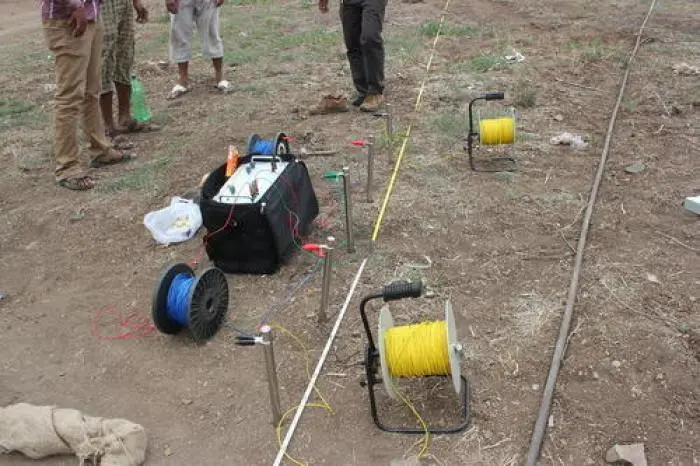
- Hydrogeological survey – used electrical resistivity tomography (ERT) to identify potential aquifer zones and estimate depths. The survey indicated a promising fracture zone between 220 and 260 meters.
- Geophysical logging – confirmed the presence of water‑bearing fractures and assessed water quality.
- Environmental Impact Assessment (EIA) – prepared by our environmental consultants, addressing potential impacts on the local environment, including noise, vibration, and groundwater abstraction.
- WRA permit application – submitted with detailed technical documentation and an abstraction plan for industrial use.
- Site logistics plan – developed to minimise disruption to the plant's operations, including scheduling drilling during off‑peak hours.
Based on the survey, we set a target depth of 250 meters and selected a drilling location that would allow easy integration with the plant's existing water system.
The Drilling Process
With permits in hand, our team mobilised to the industrial site. The project was executed in the following phases:
Phase 1: Setup and Preparation
- Site preparation, including protective barriers and noise mitigation measures.
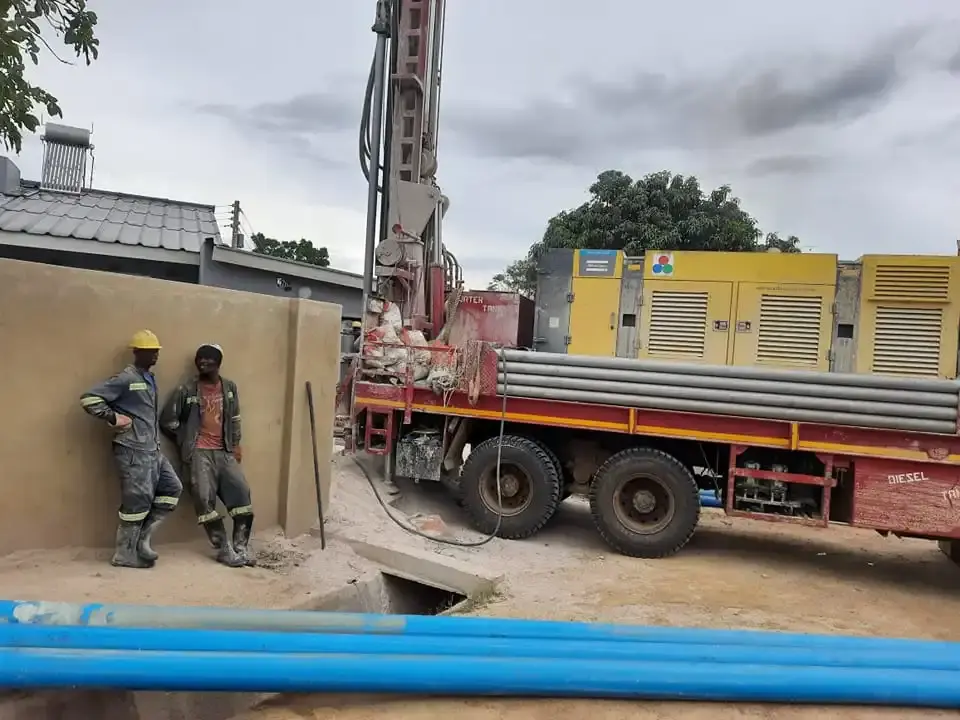
- Installation of the drilling rig and support equipment within the confined space.
- Drilling of a pilot hole to 50 meters to assess formation stability.
Phase 2: Drilling to Target Depth
- We used a DTH (down‑the‑hole) hammer drilling technique, which is effective in hard volcanic rock.
- At 230 meters, we encountered a highly fractured zone with a significant increase in water inflow.
- We continued drilling to 250 meters to ensure we had fully penetrated the productive zone.
- Total drilling time: 10 days.
Phase 3: Development and Testing
- After reaching 250 meters, we developed the borehole to remove drilling debris and fine particles.
- A step‑drawdown pumping test was conducted to determine the optimal pumping rate and confirm the yield.
- Water samples were sent to a certified laboratory for analysis, with a focus on parameters relevant to industrial use.
Water Treatment & System Design
The water quality analysis showed that the borehole water was of excellent quality:
- pH: 7.2
- TDS: 280 mg/L
- Hardness: 120 mg/L (as CaCO₃)
- Iron: 0.2 mg/L
- Manganese: 0.05 mg/L
- No bacterial contamination.
This meant that minimal treatment was required. We designed a simple system that included:
- Sediment filtration – a 20‑micron cartridge filter to remove any fine sediment.
- UV disinfection – for biological safety, ensuring the water met industrial hygiene standards.
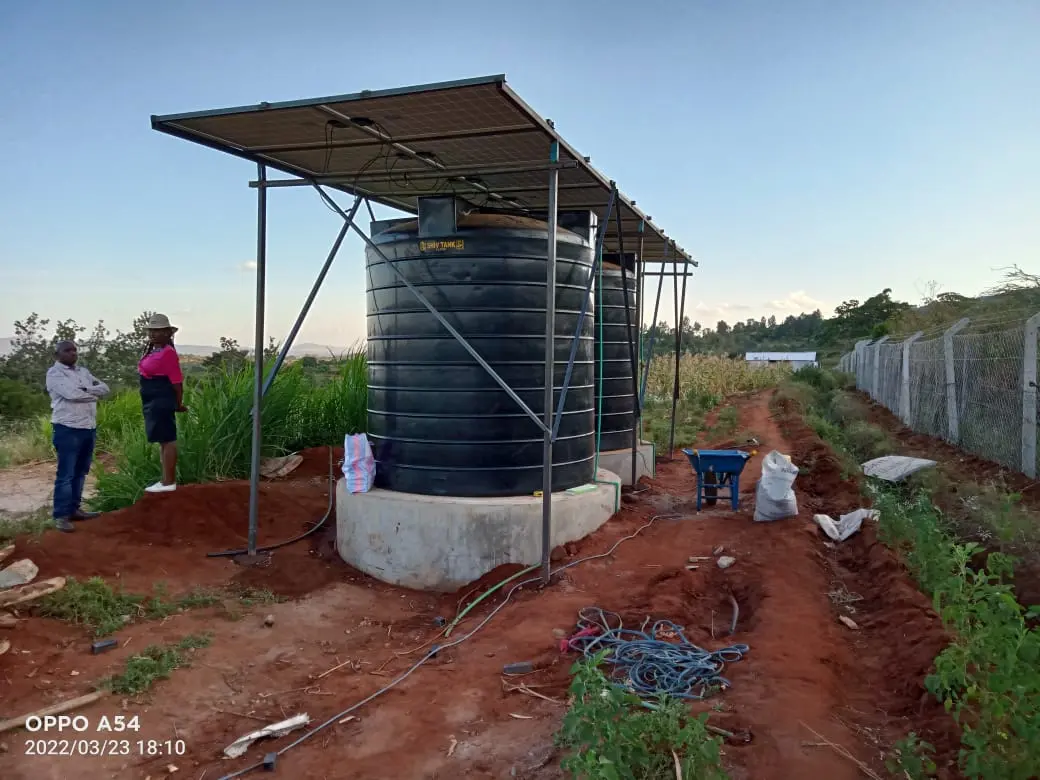
- Storage tank – a 50,000‑litre storage tank with an automatic float control to ensure consistent supply and provide redundancy.
The treated water was integrated into the plant's existing distribution system, with a bypass to allow continued use of municipal water as a backup.
Completion & Pump Installation
With the pumping test confirming a sustainable yield, we proceeded with the completion:
- Casing – we installed 6‑inch steel casing from the surface to 60 meters to stabilise the upper section, followed by 4‑inch uPVC casing and screen from 60 to 250 meters.
- Gravel pack – carefully graded gravel was placed around the screen to filter out fine particles.
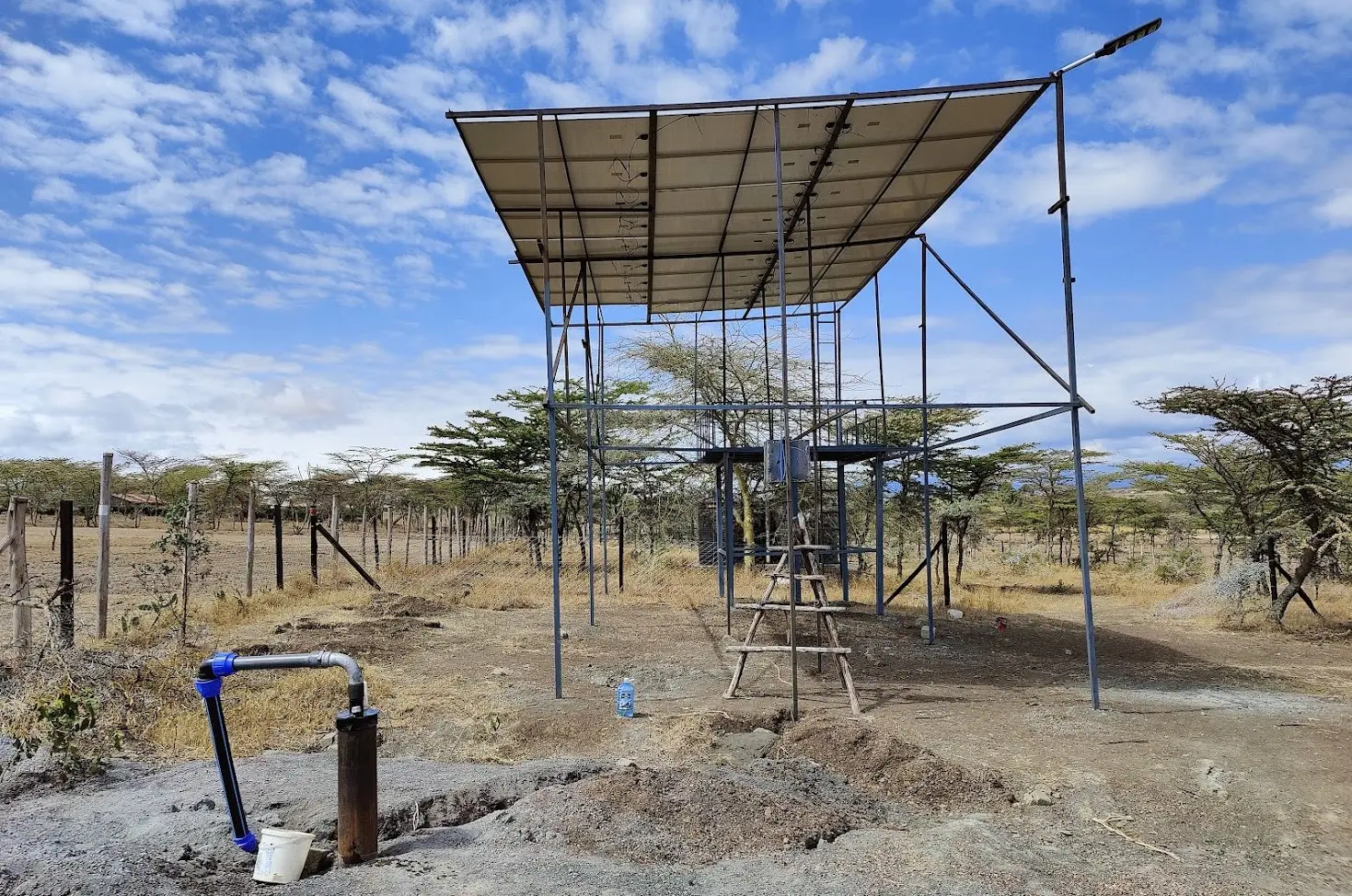
- Pump selection – based on the test data, we installed a 20 HP submersible pump with a stainless steel impeller, capable of delivering 20 m³/hr at the required head.
- Variable Frequency Drive (VFD) – installed to control pump speed and optimise energy consumption based on demand.
- Backup generator – connected to ensure 100% uptime during power outages.
The installation was completed within 6 days of the drilling finishing.
Results & Performance
The results exceeded the client's expectations:
- Depth: 250 meters
- Static water level: 50 meters
- Pumping water level: 160 meters at 20 m³/hr
- Yield: 20 m³/hr (comfortably exceeding the 15 m³/hr requirement)
- Water quality: Excellent – met all industrial specifications with minimal treatment.
- Drawdown: 110 meters at peak pumping rate, indicating a highly productive aquifer.
- Uptime: 100% since installation, with no production interruptions.
The borehole now provides the plant with a reliable, high‑quality water supply 24/7, eliminating production downtime caused by water shortages.
Financial Impact
The borehole has had a transformative financial impact:
- Reduced water costs – the plant's monthly water expenditure dropped from approximately KES 250,000 to less than KES 40,000 for electricity to run the pump.
- Annual savings – over KES 2.5 million per year.
- Payback period – the entire investment was recovered within 18 months.
- Eliminated downtime – production interruptions due to water shortages have been completely eliminated, saving an estimated KES 500,000 per month in lost production.
- Scalability – the borehole's capacity allows for future expansion of the plant without additional water infrastructure investment.
The project has not only improved the plant's bottom line but has also enhanced its sustainability and resilience.
Lessons Learned
This project highlighted several key insights for industrial borehole projects:
- Thorough surveying is critical – the ERT survey accurately predicted the depth and location of the productive zone, avoiding costly dry holes.
- Water quality testing is essential – knowing the water quality upfront allowed us to design a targeted treatment system, avoiding unnecessary capital expenditure.
- Planning for redundancy pays off – the backup generator and storage tank ensure 100% uptime, protecting production.
- VFDs save energy – the variable frequency drive optimises pump speed, reducing electricity consumption by approximately 20% compared to a fixed‑speed pump.
- Collaboration with the client is key – working closely with the plant's engineering team ensured seamless integration of the borehole with existing systems.
Client Feedback
"WaterLink Limited delivered exactly what we needed. Our production depends on water, and the borehole has given us the reliability we were missing. The cost savings are significant, and we no longer worry about production stopping due to water shortages. The team was professional, and the project was completed on schedule."
– Plant Manager, Nairobi Manufacturing Plant
Key Project Metrics
| Metric | Value |
|---|---|
| Location | Industrial Area, Nairobi |
| Industry | Consumer goods manufacturing |
| Borehole depth | 250 meters |
| Target yield | 15 m³/hr |
| Achieved yield | 20 m³/hr |
| Static water level | 50 meters |
| Pumping water level | 160 meters |
| Drawdown | 110 meters |
| Water quality (TDS) | 280 mg/L |
| Pump size | 20 HP submersible |
| Storage tank | 50,000 litres |
| Monthly water cost (before) | KES 250,000 |
| Monthly operating cost (after) | KES 40,000 |
| Annual savings | KES 2.5 million+ |
| Payback period | 18 months |
| Project duration | 16 working days |