Client & Farm Background
The client is a commercial farmer in Machakos County who owns a 50‑acre farm. The farm was previously dependent on rain‑fed agriculture, which had become increasingly unreliable due to erratic rainfall patterns and frequent droughts. The farmer was forced to reduce cultivation, and crop yields were significantly below potential.
Recognising the need for a reliable water source, the farmer approached WaterLink Limited to design and drill a borehole that would provide sufficient water for full‑scale irrigation. The goal was to transform the farm into a productive, all‑year‑round agricultural operation that could supply local markets with high‑value crops.
Project requirements:
- Reliable irrigation water for 50 acres of crops.
- Sufficient yield for drip and sprinkler irrigation systems.
- Cost‑effective operation with minimal maintenance.
- Long‑term sustainability and compliance with water regulations.
- Full WRA, NEMA, and county government approvals.
The Challenge
Machakos County's geology is diverse, with a mix of volcanic rocks, weathered basement systems, and sedimentary deposits. The area experiences significant rainfall variability, and groundwater levels can be deep and unpredictable.
The specific challenges included:
- Variable geology – the farm sits on a transition zone between volcanic and basement rocks, making aquifer prediction difficult.
- Depth uncertainty – surveys suggested the productive aquifer might be between 150 and 220 meters.
- Hard rock drilling – the upper layers were composed of hard volcanic rock, requiring robust equipment.
- Water demand – the farm needed at least 8–10 m³/hr during peak irrigation seasons.
- Remote location – the farm was in a rural area with limited access, complicating equipment mobilisation.
- Regulatory compliance – full WRA permit and NEMA EIA were required, along with county government approvals.
Survey & Planning
Our team conducted a thorough site assessment:
- Desk study – reviewed geological maps and groundwater data for the Machakos area.
- Hydrogeological survey – used electrical resistivity tomography (ERT) to identify potential aquifer zones and estimate depths. The survey indicated a promising zone between 170 and 200 meters.
- Geophysical logging – confirmed the presence of water‑bearing fractures and assessed water quality.
- Environmental Impact Assessment (EIA) – prepared by our environmental consultants, addressing potential impacts on the local ecosystem and water resources.
- WRA permit application – submitted with detailed technical documentation and an abstraction plan.
Based on the survey, we set a target depth of 180 meters and selected a drilling location that was central to the farm to minimise piping costs.
The Drilling Process
With permits in hand, our team mobilised to the farm. The project was executed in the following phases:
Phase 1: Setup and Preparation
- Site preparation and safety briefings.
- Installation of the drilling rig and support equipment.
- Drilling of a pilot hole to 50 meters to assess formation stability.
Phase 2: Drilling to Target Depth
- We used a DTH (down‑the‑hole) hammer drilling technique, which is effective in hard volcanic rock.
- At 160 meters, we encountered a fractured zone with a significant increase in water inflow.
- We continued drilling to 180 meters to ensure we had fully penetrated the productive zone.
- Total drilling time: 8 days.
Phase 3: Development and Testing
- After reaching 180 meters, we developed the borehole to remove drilling debris and fine particles.
- A step‑drawdown pumping test was conducted to determine the optimal pumping rate and confirm the yield.
- Water samples were sent to a certified laboratory for analysis.
Irrigation System Design
Based on the borehole yield and the farm's irrigation needs, we designed a dual‑system irrigation approach:
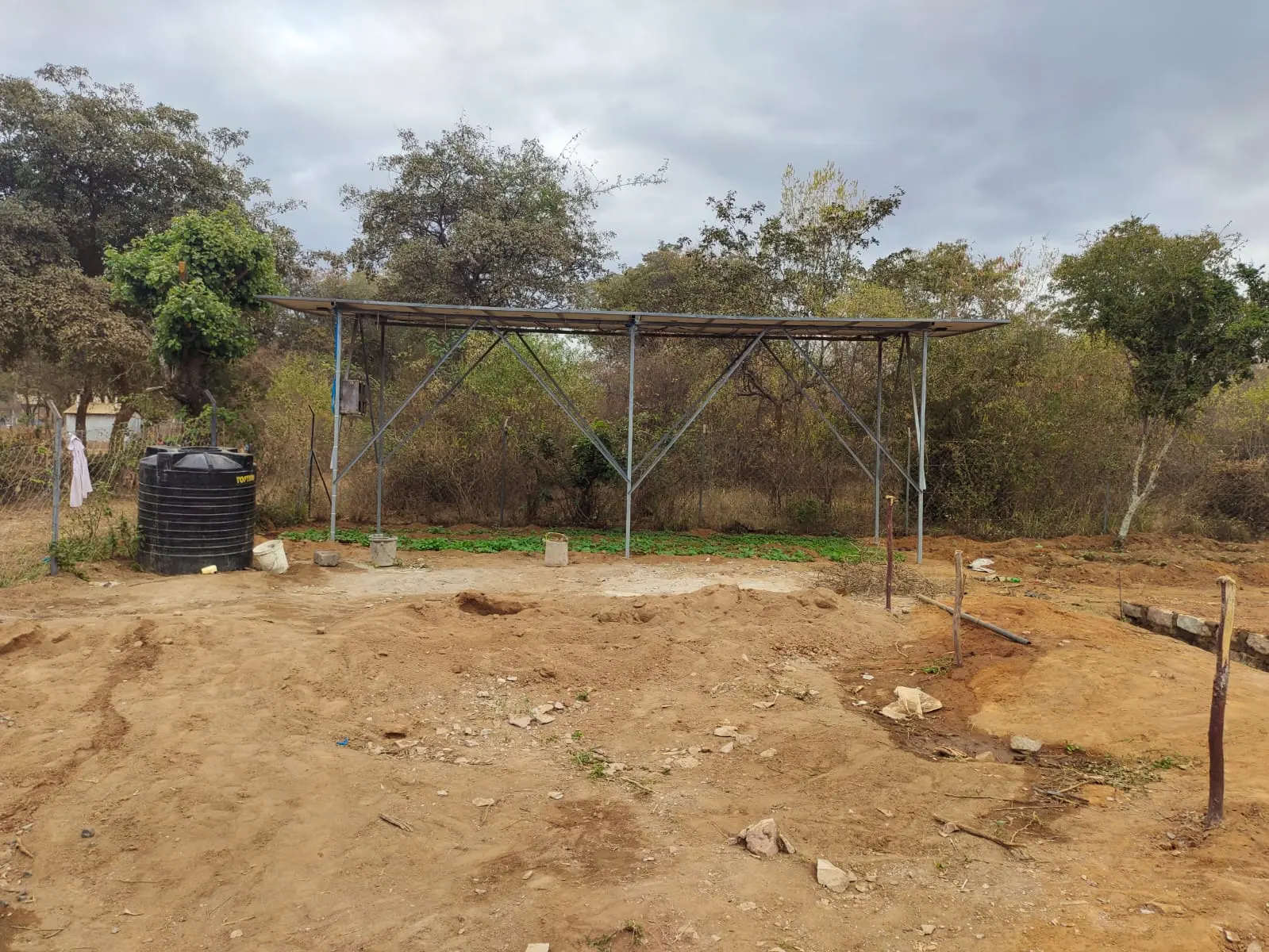
- Drip irrigation – for high‑value crops (tomatoes, capsicums, onions), covering 20 acres. Drip systems deliver water directly to the plant roots, minimising water waste.
- Sprinkler irrigation – for field crops (maize, beans, fodder), covering 30 acres. Sprinklers are effective for large‑area coverage and can be used for both irrigation and frost protection.
The system was designed to deliver water at a rate of 8–10 m³/hr during peak demand, with the flexibility to adjust based on seasonal needs.
We also installed:
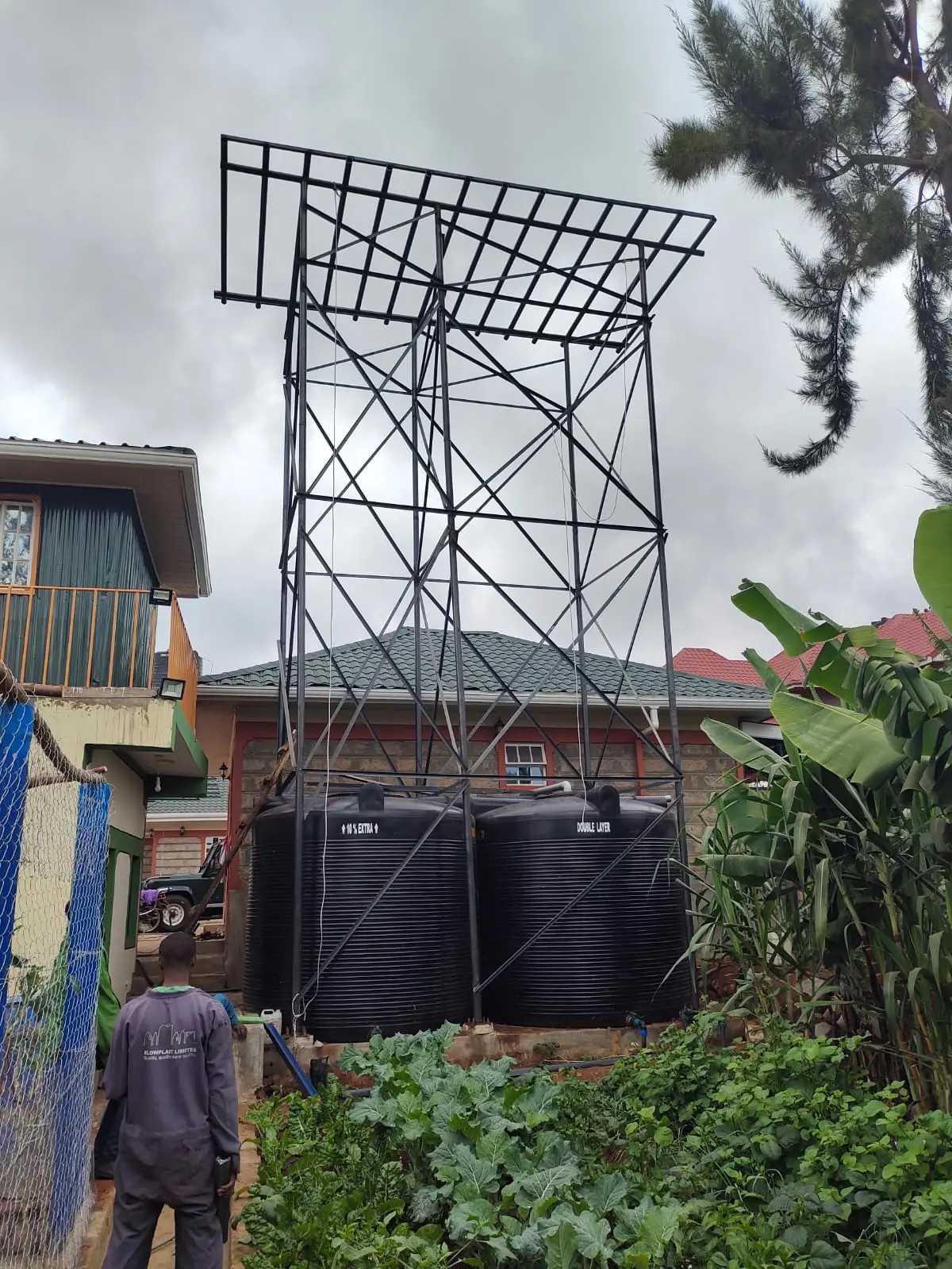
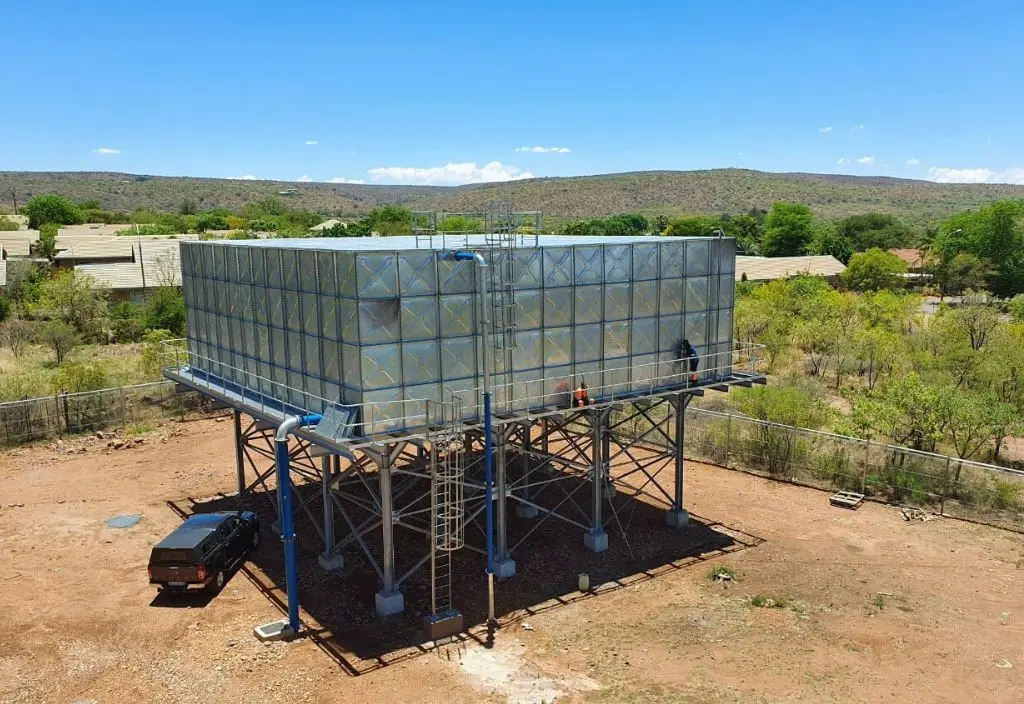
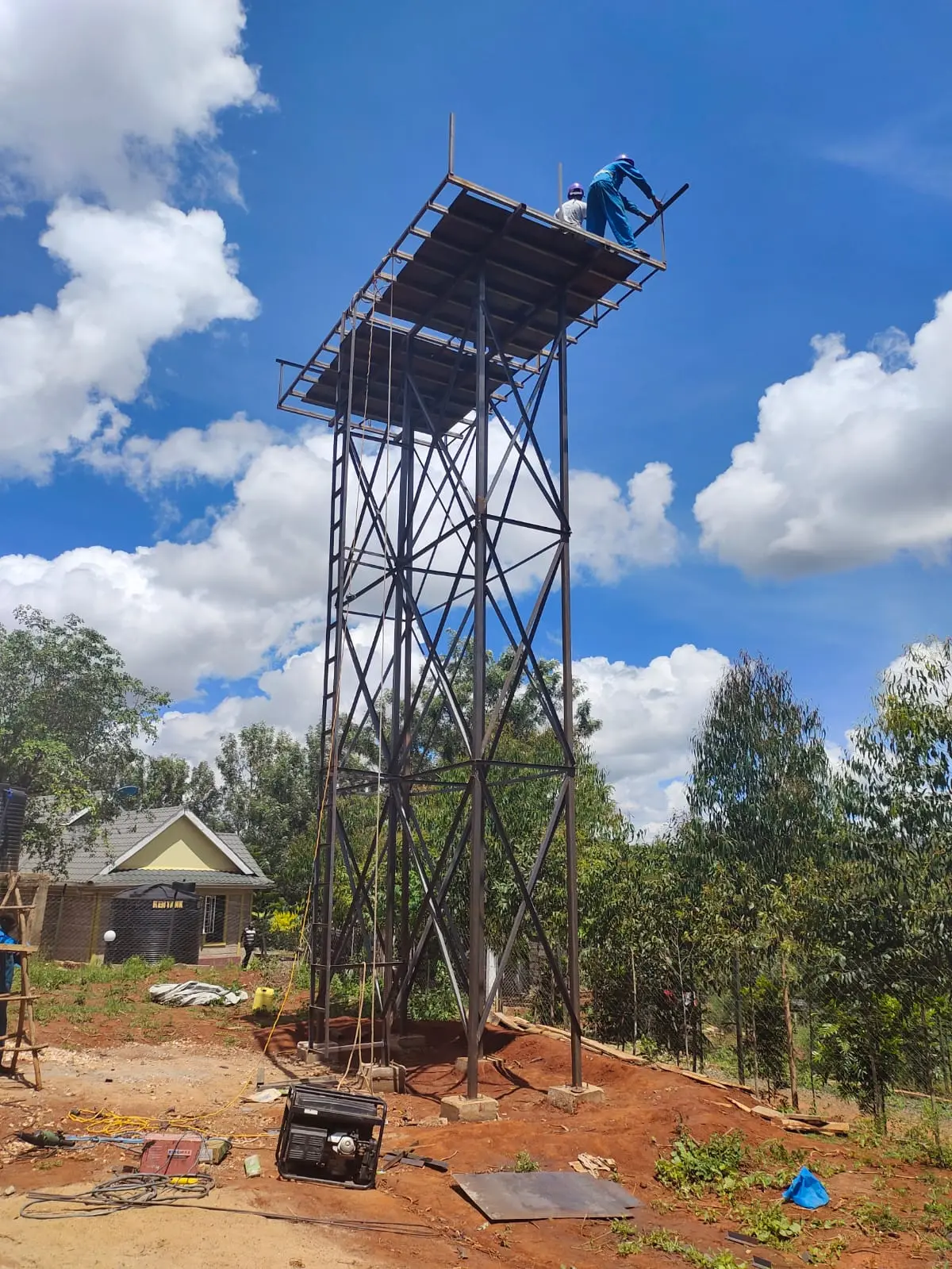
- A 30,000‑litre buffer tank to provide storage and stabilise pressure.
- A filtration system to remove sediment and protect the irrigation equipment.
- A fully automated control panel to manage irrigation schedules and monitor performance.
Completion & Pump Installation
With the pumping test confirming a sustainable yield, we proceeded with the completion:
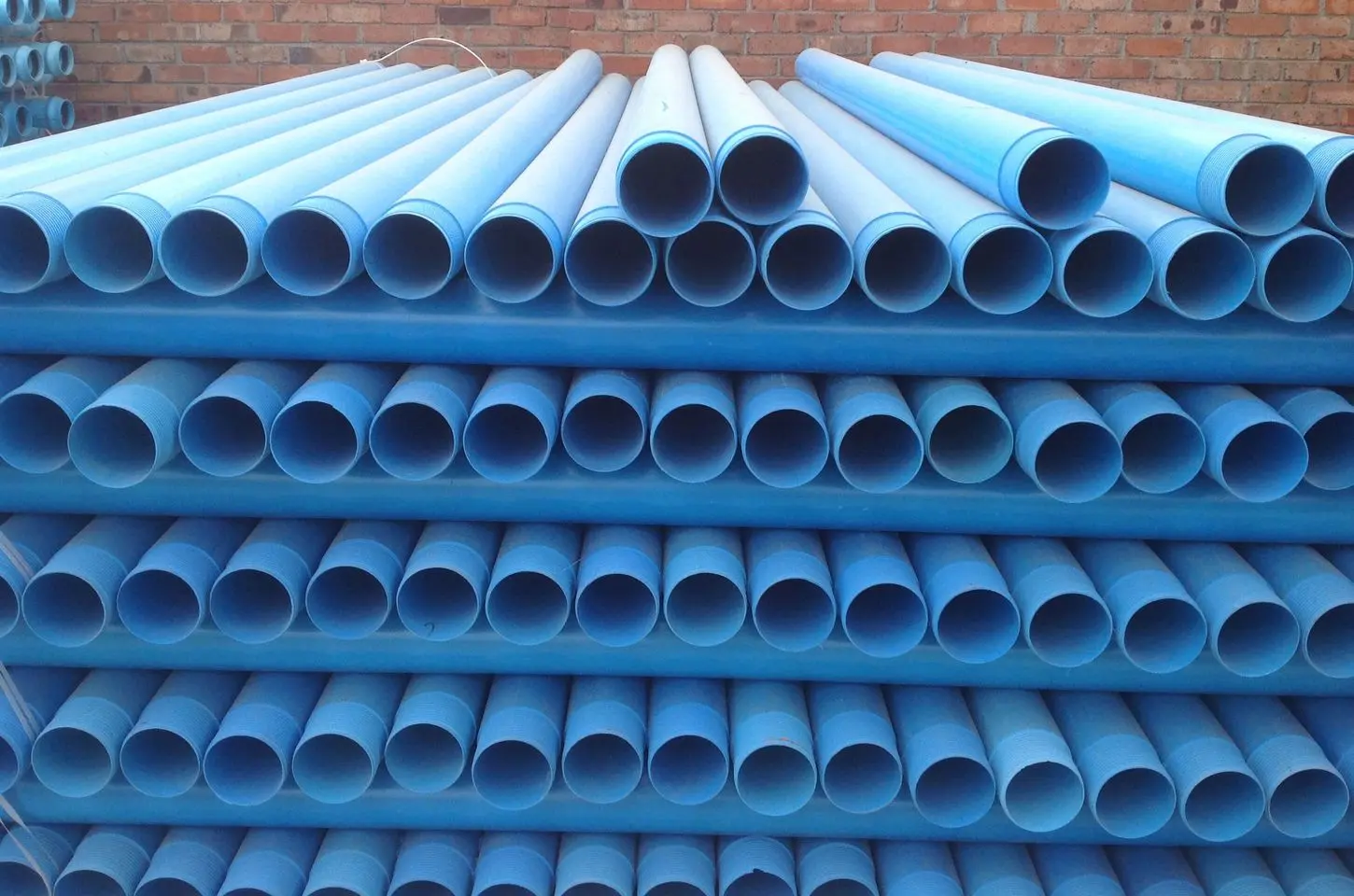
- Casing – we installed 6‑inch steel casing from the surface to 40 meters to stabilise the upper section, followed by 4‑inch uPVC casing and screen from 40 to 180 meters.
- Gravel pack – carefully graded gravel was placed around the screen to filter out fine particles.
- Pump selection – based on the test data, we installed a 12 HP submersible pump with a stainless steel impeller, capable of delivering 12 m³/hr at the required head.
- Electrical connection – the system was connected to the mains supply with surge protection and a backup generator for power outages.
The installation was completed within 7 days of the drilling finishing.
Results & Performance
The results exceeded the client's expectations:
- Depth: 180 meters
- Static water level: 55 meters
- Pumping water level: 140 meters at 12 m³/hr
- Yield: 12 m³/hr (comfortably exceeding the 10 m³/hr requirement)
- Water quality: Excellent – pH 7.3, TDS 290 mg/L, no bacterial contamination, suitable for irrigation without treatment.
- Drawdown: 85 meters at peak pumping rate, indicating a productive aquifer.
The irrigation system now provides reliable water to all 50 acres, allowing the farm to operate year‑round. The farmer has shifted from rain‑fed subsistence farming to commercial crop production.
Financial Impact
The borehole and irrigation system have transformed the farm's finances:
- Increased cropping area – the farm is now fully cultivated, compared to only 20 acres previously.
- Higher yields – maize yields have increased from 15 bags/acre (rain‑fed) to 30 bags/acre (irrigated). Tomato yields have tripled with drip irrigation.
- Diversified crops – the farmer now grows high‑value crops like tomatoes, capsicums, and onions, which command premium prices.
- Income growth – annual farm income has more than doubled since the borehole was installed.
- Payback period – the entire investment is expected to be recovered within 3–4 years.
The borehole has not only provided water security but has also created jobs for the local community through increased farm labour.
Lessons Learned
This project highlighted several key insights:
- Accurate surveying is critical – the ERT survey accurately predicted the depth and location of the productive zone, avoiding costly dry holes.
- DTH drilling is effective in hard rock – although slower than mud rotary, DTH provided the penetration needed to reach 180 meters in volcanic formations.
- Integrated system design matters – matching the borehole yield to the irrigation system ensures optimal water use and energy efficiency.
- Water quality monitoring – regular testing ensures the irrigation water remains suitable and prevents long‑term soil degradation.
- Farmer training – training the farmer on system operation and maintenance ensures the long‑term sustainability of the investment.
Client Feedback
"WaterLink Limited has changed the course of my farming life. For years, I struggled with unreliable rains and low yields. Now, I can irrigate my entire farm and produce crops all year round. The team was professional, the work was done on time, and the results speak for themselves."
– Machakos Farmer
Key Project Metrics
| Metric | Value |
|---|---|
| Location | Machakos County, Kenya |
| Farm size | 50 acres |
| Irrigated area | 50 acres (20 drip, 30 sprinkler) |
| Borehole depth | 180 meters |
| Target yield | 10 m³/hr |
| Achieved yield | 12 m³/hr |
| Static water level | 55 meters |
| Pumping water level | 140 meters |
| Drawdown | 85 meters |
| Water quality (TDS) | 290 mg/L |
| Pump size | 12 HP submersible |
| Storage tank | 30,000 litres |
| Project duration | 15 working days |