What Is a Submersible Pump and Why Does It Need Replacement?
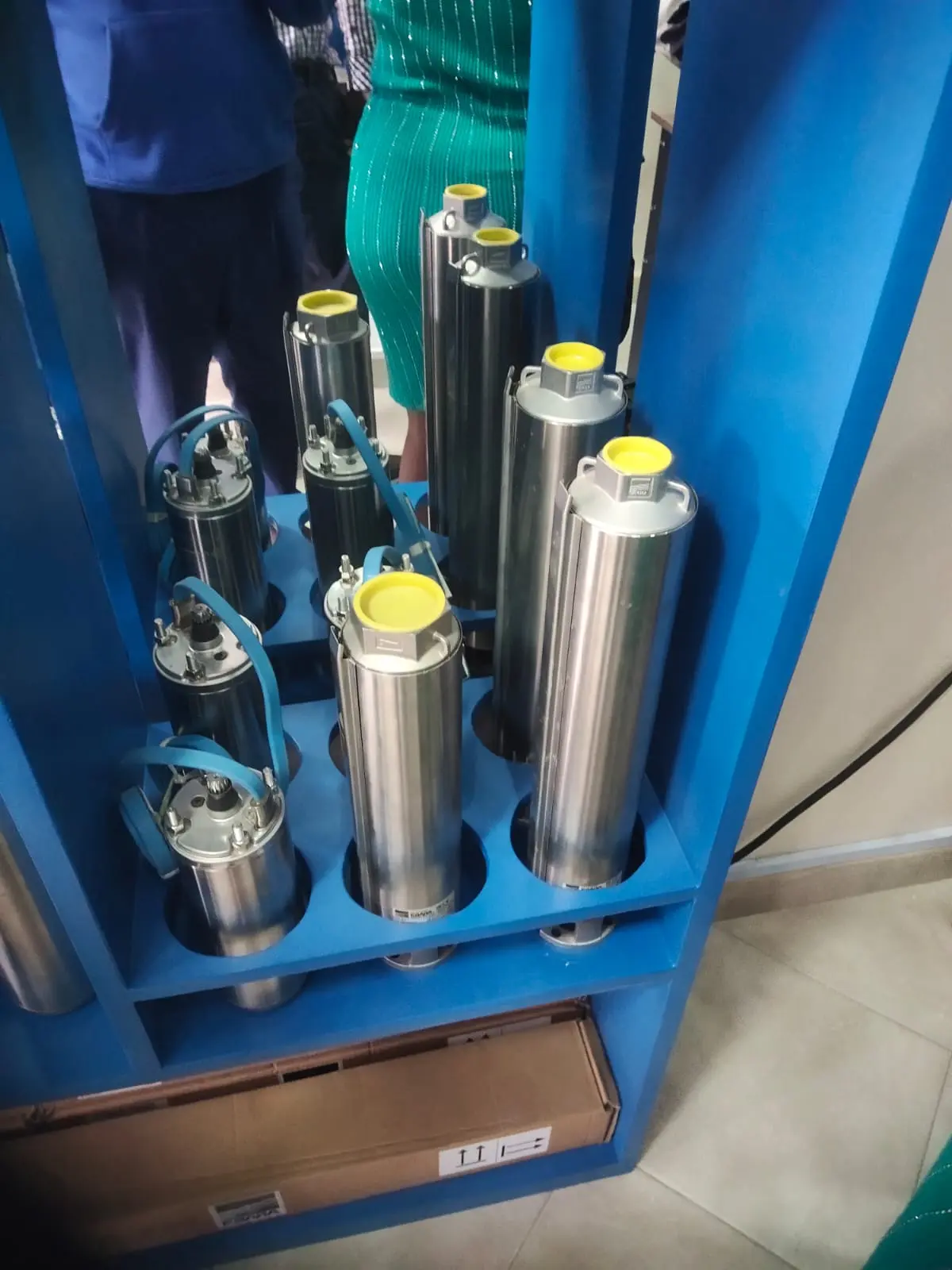
A submersible pump is a type of pump that is fully submerged in water, typically installed deep within a borehole. It consists of a pump body and a motor sealed in a watertight housing, which pushes water to the surface. These pumps are the heart of any borehole system, providing the pressure needed to deliver water to homes, farms, and businesses.
Over time, even the best pumps experience wear and tear. The motor bearings, impellers, and seals degrade, leading to reduced efficiency, increased energy consumption, and eventual failure. Replacing a pump before it fails completely can save you from emergency costs and water outages. In Kenya, where boreholes are a primary water source for many properties, understanding the cost of pump replacement is essential for effective budgeting.
Key Fact: The average lifespan of a quality submersible pump in Kenya is 8–15 years, depending on usage, water quality, and maintenance. Regular servicing can extend this, but replacement is inevitable.
The cost of a new pump and installation can be significant, but it is a worthwhile investment to ensure a reliable water supply. This guide breaks down the costs, helps you compare brands, and provides practical tips to manage your budget effectively.
Signs Your Borehole Pump Needs Replacing
Recognising the warning signs of a failing pump can help you plan for replacement before a complete breakdown. Common indicators include:
- Reduced water pressure or flow — If your taps are trickling or the pressure tank takes longer to fill, it could be a sign of pump wear or blockage.
- Frequent pump cycling — The pump turns on and off more often than usual, which can indicate a failing pressure switch or a pump that cannot maintain pressure.
- Unusual noises — Grinding, rattling, or screeching sounds from the pump or motor indicate mechanical problems.
- Increased electricity bills — As the pump loses efficiency, it consumes more energy to deliver the same amount of water, leading to higher costs.
- Sediment or sand in water — If you notice particles in your water, it may indicate that the pump is drawing from the bottom or that the screen is damaged.
- Age — If your pump is over 10 years old, it is wise to consider replacement even without symptoms, as the risk of failure increases significantly.
- Frequent breakdowns — If you are calling a technician repeatedly for repairs, replacement may be more cost-effective in the long run.
If you observe any of these signs, contact a professional to assess your pump. Early diagnosis can prevent more costly damage to your borehole system.
Submersible Pump Replacement Cost Breakdown
The total cost of replacing a submersible pump in Kenya typically includes the pump itself, installation labour, and any necessary accessories. Below is a typical breakdown for a residential borehole (depth 150–200 metres, moderate yield):
| Component | Estimated Cost (KES) | Notes |
|---|---|---|
| Pump (including motor) | 80,000 – 300,000 | Depending on brand, HP, and quality. Grundfos tends to be higher end. |
| Stainless steel drop pipe | 15,000 – 40,000 | Length varies; includes couplings. |
| Submersible cable (4-core) | 10,000 – 25,000 | Depth-dependent; quality copper cable recommended. |
| Control box / starter | 5,000 – 15,000 | May include overload protection. |
| Pressure switch (if needed) | 2,000 – 5,000 | Optional if existing switch is functional. |
| Labour (installation & testing) | 20,000 – 50,000 | Includes removal of old pump, installation, and commissioning. |
| Transport & mobilisation | 5,000 – 15,000 | Depending on distance from supplier. |
| Total Estimated Cost | 137,000 – 450,000 | Wide range due to depth and brand choices. |
Note: These are indicative prices for 2026. Actual costs may vary based on supplier, location, and specific site conditions. Always request a detailed quote from a professional.
Budget Tip: For a typical residential borehole in Nairobi, budget between KES 180,000 and KES 280,000 for a complete replacement with a reputable brand like Grundfos or Franklin Electric, including installation.
Factors That Affect Pump Replacement Cost
Several variables influence the final price of a pump replacement. Understanding these helps you make informed decisions and avoid surprises:
- Borehole depth — Deeper boreholes require longer cables and drop pipes, more powerful pumps, and more labour for installation, increasing costs.
- Pump brand and quality — Premium brands like Grundfos command higher prices but offer better efficiency, reliability, and warranty. Budget brands may save money upfront but cost more in the long run due to higher energy consumption and shorter lifespan.
- Motor size (HP) — Higher horsepower pumps are needed for deeper boreholes or higher yields, and they cost more. Typical residential pumps range from 1.5 HP to 5 HP.
- Pump type — Single-phase vs three-phase motors; three-phase pumps are generally more expensive but more efficient for larger systems.
- Accessibility — If your borehole is in a difficult-to-access location, additional equipment or labour may be required.
- Condition of existing infrastructure — If the drop pipe, cable, or control box are also worn, they may need replacement, adding to the cost.
- Water quality — If the water is corrosive or contains abrasive particles, you may need a pump with special materials (e.g., stainless steel), increasing cost.
- Seasonal demand — During peak drilling seasons, labour costs may rise. Planning ahead can help you secure better rates.
By evaluating these factors, you can get a more accurate estimate and choose the right pump for your needs and budget.
Cost Comparison: Popular Pump Brands in Kenya
Several brands dominate the Kenyan market. Here is a comparison of typical costs and features for residential borehole pumps (2 HP – 3 HP, suitable for 150–200 m depth):
| Brand | Estimated Price (KES) | Typical HP Range | Key Features | Warranty |
|---|---|---|---|---|
| Grundfos | 180,000 – 300,000 | 1.5 – 5 HP | Premium efficiency, stainless steel, reliable, long life | 2-3 years |
| Franklin Electric | 150,000 – 250,000 | 1.5 – 5 HP | Good value, reliable, widely available, excellent support | 2 years |
| Pedrollo | 120,000 – 200,000 | 1.5 – 4 HP | Solid mid-range, good for moderate depths, Italian make | 1-2 years |
| Lowara | 140,000 – 220,000 | 2 – 5 HP | Quality construction, efficient, good for deep wells | 2 years |
| Local / Chinese brands | 80,000 – 150,000 | 1.5 – 5 HP | Low upfront cost, but often lower efficiency and shorter lifespan | 6 months – 1 year |
Recommendation: For long-term reliability and lower energy bills, investing in a premium brand like Grundfos or Franklin Electric is often the most cost-effective choice. The initial higher cost is offset by fewer repairs and lower electricity consumption over the pump's lifetime.
WaterLink Advice: We offer unbiased recommendations based on your borehole's specific characteristics. Contact us for a free consultation to help you choose the best pump for your needs.
Additional Costs to Consider
Besides the pump and installation, there are other potential costs that may arise during a replacement:
- Borehole rehabilitation — If the borehole has been producing sediment or has low yield, it may need cleaning or rehabilitation before a new pump is installed. This can add KES 30,000–100,000.
- Electrical panel upgrades — If you are upgrading to a larger pump, your existing control panel or wiring may need to be upgraded, costing KES 10,000–30,000.
- New pressure tank — If your pressure tank is old or undersized, replacement may be advisable, adding KES 30,000–80,000.
- Water quality testing — After installation, it is wise to test the water for quality, especially if the old pump failure was due to corrosive water.
- Warranty registration — Some brands require professional registration for warranty, which may have a small fee.
- Disposal of old pump — Environmental disposal of the old pump may incur a nominal fee.
- Emergency surcharge — If the replacement is urgent (e.g., after a breakdown), some contractors may charge a premium for expedited service.
To avoid surprises, always ask for a detailed quote that lists all potential costs. WaterLink Limited provides transparent, itemised quotations so you know exactly what to expect.
How to Budget for Pump Replacement
Replacing a submersible pump is a significant expense, but with proper planning, you can manage the cost effectively:
- Plan ahead — If your pump is over 8 years old, start saving gradually so you are prepared when the time comes.
- Get multiple quotes — Compare prices from different suppliers and contractors, but beware of quotes that are significantly lower than average—they may indicate inferior equipment or hidden charges.
- Consider financing — Many banks and SACCOs offer loans for borehole maintenance and pump replacement. WaterLink Limited can assist with financing arrangements.
- Choose the right pump — Investing in a high-efficiency pump reduces long-term electricity costs, helping you recoup the initial expenditure.
- Set aside a maintenance fund — Allocate a small amount annually for routine servicing to extend the pump's life and avoid emergency replacements.
- Request an energy audit — Some contractors offer energy efficiency assessments that can help you select the most cost-effective pump for your usage pattern.
By following these tips, you can avoid financial stress when the time comes to replace your pump.
Financing Options for Pump Replacement
If the upfront cost of a new pump is a barrier, several financing options are available in Kenya:
| Financing Option | Description | Typical Terms | Pros |
|---|---|---|---|
| Bank loans | Personal or asset loans from commercial banks | 1–5 years, 12–18% interest | Flexible amounts, competitive rates |
| SACCO loans | Loans from your Savings and Credit Cooperative | 1–3 years, 10–14% interest | Lower interest, easier approval for members |
| Contractor financing | Payment plans offered by drilling contractors | Varies; often milestone-based | Convenient, integrated with the project |
| Asset finance companies | Specialised in equipment financing | 1–4 years, 15–20% interest | Fast approval, focus on equipment |
| Self-financing | Paying from savings | Immediate | No interest, no debt |
WaterLink Advantage: We offer flexible, milestone-based payment plans to make your pump replacement more manageable. We also assist with liaising with financial institutions.
The Pump Replacement Process
Replacing a submersible pump involves several steps. Understanding the process helps you prepare and ensures the job is done correctly:
- Site inspection — A technician visits to assess the borehole, measure water level, and check the condition of the existing system.
- Pump selection — Based on the borehole depth, yield, and your water needs, the appropriate pump is selected.
- Preparation — The area is cleared, and necessary permits (if any) are obtained. The new pump and accessories are delivered.
- Removal of old pump — The old pump, drop pipe, and cable are carefully extracted from the borehole. This is the most delicate part of the process.
- Inspection of borehole — The borehole is inspected for any issues (e.g., collapsed sections, screen damage) that may need attention.
- Installation of new pump — The new pump is attached to the drop pipe and cable, and lowered into the borehole to the correct depth.
- Electrical connection — The pump is connected to the control panel and power supply.
- Testing and commissioning — The pump is started, and performance is checked: flow rate, pressure, and drawdown are measured. Adjustments are made as needed.
- Site clean-up — All debris is removed, and the site is left tidy.
- Handover and documentation — You receive a report, warranty documents, and operating instructions.
WaterLink Limited manages the entire process, ensuring minimal disruption to your daily routine and delivering a system that performs optimally.
Why Choose WaterLink Limited for Your Pump Replacement
With over 30 years of experience and more than 1,150 successful borehole projects, WaterLink Limited is the trusted partner for pump replacement in Kenya. Here is why clients choose us:
- Expert advice — Our pump specialists analyse your borehole data to recommend the best pump for your specific needs, avoiding costly mistakes.
- Quality products — We supply only genuine, high-quality pumps from reputable brands, backed by manufacturer warranties.
- Transparent pricing — Our quotations are detailed and all-inclusive, with no hidden fees or surprises.
- Skilled installation — Our certified technicians are trained in the latest installation techniques, ensuring safe and efficient work.
- Warranty and support — We provide comprehensive warranties on both the pump and labour, and we are always available for after-sales support.
- Financing assistance — We help you access affordable financing options to spread the cost.
- Emergency service — We offer rapid response for urgent replacements, minimising water supply interruption.
Ready to replace your borehole pump? Contact WaterLink Limited today for a free consultation and a transparent, competitive quote. We'll help you get back to reliable water supply without breaking the bank.