How Much Does a Residential Borehole Cost in Nairobi?
The cost of drilling a residential borehole in Nairobi varies significantly based on several factors, including the depth required, the geology of your location, and the type of pump and equipment installed. In 2026, homeowners can expect to pay between KES 950,000 and KES 2,000,000 for a complete residential borehole installation.
This all-inclusive cost covers the hydrogeological survey, WRA and NEMA permits, drilling, casing, test pumping, pump and motor, pressure tank, control panel, and installation. While the upfront investment may seem substantial, a borehole typically pays for itself within 3–7 years through savings on water bills and increased property value.
Key Insight: The average residential borehole in Nairobi costs approximately KES 1,400,000 for a complete installation. However, prices can range from KES 950,000 for shallower boreholes in favourable geology to over KES 2,000,000 for deeper boreholes in hard rock formations.
Detailed Cost Breakdown by Component
Understanding the individual components of your borehole cost helps you budget effectively and avoid surprises. Below is a typical breakdown of costs for a standard residential borehole in Nairobi:
| Component | Estimated Cost (KES) | Description |
|---|---|---|
| Hydrogeological Survey | 50,000 – 80,000 | Essential for locating the best drilling site; includes resistivity survey and analysis. |
| WRA & NEMA Permits | 30,000 – 80,000 | WRA water permit and NEMA Environmental Impact Assessment approval. |
| Drilling & Casing | 600,000 – 1,500,000 | Cost per metre varies by geology and depth; includes steel/uPVC casing. |
| Test Pumping | 80,000 – 120,000 | Determines yield and optimal pumping rate; essential for pump selection. |
| Pump & Motor | 150,000 – 400,000 | Submersible pump; cost depends on depth, yield, and brand quality. |
| Pressure Tank | 30,000 – 80,000 | Stores pressurised water; reduces pump cycling. |
| Control Panel & Wiring | 20,000 – 50,000 | Electrical controls, breakers, and wiring. |
| Installation & Labour | 50,000 – 100,000 | Installation of pump, tank, and electrical connections. |
| Pump House (optional) | 30,000 – 60,000 | Protects equipment from weather and theft. |
| Total Estimated Cost | 950,000 – 2,000,000 | Complete residential borehole installation. |
Note: These are estimated ranges for 2026. Actual costs vary based on your specific location, geology, and contractor. Always request a detailed, itemised quotation.
Cost by Location: Neighborhood Comparisons
Nairobi's diverse geology means that borehole costs vary significantly by neighborhood. Here is a comparison of typical costs in different areas:
| Neighborhood | Typical Depth (m) | Average Cost (KES) | Geological Notes |
|---|---|---|---|
| Karen | 180 – 280 | 1,200,000 – 2,100,000 | Hard volcanic rock; deeper drilling required |
| Runda | 150 – 250 | 1,100,000 – 1,900,000 | Volcanic formations; moderate depth |
| Lavington | 150 – 220 | 1,050,000 – 1,800,000 | Moderate volcanic rock |
| Kitisuru | 160 – 240 | 1,100,000 – 1,900,000 | Similar to Runda |
| Westlands | 140 – 200 | 1,000,000 – 1,700,000 | Shallower aquifers; urban constraints |
| Kilimani | 150 – 210 | 1,050,000 – 1,800,000 | Moderate volcanic rock |
| Parklands | 140 – 200 | 1,000,000 – 1,700,000 | Shallower aquifers |
| Ruiru & Kiambu Road | 120 – 220 | 950,000 – 1,600,000 | More favourable geology; lower costs |
Note: These are average estimates. The actual cost for your property depends on the specific geology and depth required to reach a productive aquifer.
Factors That Affect Borehole Cost
Several key factors influence the final cost of your residential borehole. Understanding these helps you anticipate expenses and make informed decisions:
- Geology – the hardest factor to predict but the most significant. Volcanic rock (common in Karen, Runda, and parts of Westlands) requires more powerful drilling equipment and can increase costs by 20–40% compared to softer formations.
- Depth – deeper boreholes cost more per metre drilled. Most residential boreholes in Nairobi are between 150 and 220 metres, but some areas require depths of 250 metres or more.
- Location – accessibility matters. If your property is difficult to access, mobilisation costs may be higher. Urban constraints like overhead power lines or narrow driveways can also add to the cost.
- Pump type and quality – premium brands like Grundfos cost more upfront but offer better efficiency and longer life. A quality pump can add KES 50,000–100,000 to the initial cost but pays for itself in energy savings and reliability.
- Water quality – if your water requires treatment (e.g., iron, manganese, or fluoride removal), additional equipment will be needed, increasing the cost.
- Season and demand – during peak drilling seasons (dry periods), demand may increase prices. Planning ahead can help you secure better rates.
- Contractor quality – choosing a reputable contractor may cost more initially but ensures quality work, proper permits, and fewer problems down the line.
- Permits and approvals – the cost of WRA, NEMA, and county permits can add KES 30,000–80,000 to your project.
Hidden Costs to Watch Out For
While most contractors provide a quotation, some costs may not be included. Here are common hidden costs to be aware of:
- Water trucking – during drilling and test pumping, water may be required. Some contractors include this, others don't.
- Mobilisation – the cost of moving equipment to your site. Some contractors include this in the drilling cost, others charge separately.
- Waste disposal – disposal of drilling mud and cuttings can incur additional charges.
- Road access – if your property requires road repairs or special access arrangements, these costs may be passed on to you.
- Security – if your site requires overnight security during drilling, this may be an additional cost.
- Contingency – unexpected costs such as hitting harder rock than anticipated or encountering drilling problems can increase the final cost.
- Borehole development – developing the borehole (cleaning and surging) is sometimes not included in the basic drilling quote.
- Water quality testing – laboratory testing of water quality may be an additional cost.
Important: Always ask your contractor for a detailed, itemised quotation that includes all potential costs. A reputable contractor like WaterLink Limited provides transparent, all-inclusive pricing.
Cost Comparison: Borehole vs Other Water Sources
To put the cost of a borehole in perspective, here is a comparison of water source options for a typical Nairobi household:
| Water Source | Upfront Cost | Annual Cost | Pros | Cons |
|---|---|---|---|---|
| Borehole | KES 950,000 – 2,000,000 | KES 30,000 – 80,000 | Reliable, independent, adds property value | High upfront cost, requires maintenance |
| Municipal water | KES 20,000 – 50,000 (connection) | KES 50,000 – 150,000 | Low upfront cost | Unreliable, rising tariffs, supply interruptions |
| Water trucking | None | KES 100,000 – 300,000 | No upfront investment | Expensive, unreliable, poor quality |
| Rainwater harvesting | KES 80,000 – 500,000 | KES 5,000 – 15,000 | Low operating cost | Seasonal, limited capacity |
A borehole provides the best long-term value for homeowners who need a reliable, independent water supply. While the upfront cost is significant, the annual savings compared to municipal water or trucking typically pay for the investment within 3–7 years.
Financing Your Borehole Investment
The upfront cost of a borehole can be significant, but several financing options are available to make it more accessible:
| Financing Option | Description | Typical Terms | Pros |
|---|---|---|---|
| Bank loans | Personal or mortgage loans from commercial banks | 1–5 years, 12–18% interest | Flexible amounts, competitive rates |
| SACCO loans | Loans from your Savings and Credit Cooperative | 1–3 years, 10–14% interest | Lower interest rates, easier approval |
| Contractor financing | Payment plans offered by drilling contractors | Varies; often milestone-based | Convenient, integrated with the project |
| Home equity | Using your property equity as collateral | Longer terms, lower rates | Lower interest, larger amounts |
| Self-financing | Paying from savings | Immediate | No interest, no debt |
WaterLink Advantage: We offer flexible, milestone-based payment plans to make your borehole investment more manageable. Contact us to discuss your financing options.
Return on Investment (ROI)
A borehole is not just an expense—it's an investment in your property and your future water security. Here is a typical ROI analysis for a residential borehole in Nairobi:
- Initial investment: KES 1,400,000 (average residential borehole)
- Annual savings on water costs: KES 80,000 – 150,000 (compared to municipal water or trucking)
- Annual maintenance costs: KES 30,000 – 80,000
- Net annual savings: KES 50,000 – 120,000
- Payback period: 3–7 years
- Property value increase: KES 500,000 – 1,500,000 (typical for a property with a borehole)
When you factor in the increase in property value, the return on investment is excellent. Many homeowners find that the value added to their property exceeds the cost of the borehole, making it a smart financial decision.
Additionally, water costs in Nairobi are rising annually, making the savings from a borehole even more significant over time. With a well-maintained borehole, you can enjoy decades of reliable, low-cost water.
Why Choose WaterLink Limited for Your Residential Borehole
With over 30 years of experience and more than 1,150 successful borehole projects across Kenya, WaterLink Limited is your trusted partner for residential borehole drilling in Nairobi. Here is why homeowners choose us:
- Class A WRA licensed – we hold the highest level of licensing, ensuring technical competence and compliance.
- Transparent pricing – our quotations are itemised and all-inclusive, with no hidden fees or surprises.
- Local expertise – we understand Nairobi's geology better than anyone, maximising your success rate.
- Complete service – we handle everything from surveys and permits to drilling, pump installation, and after-care.
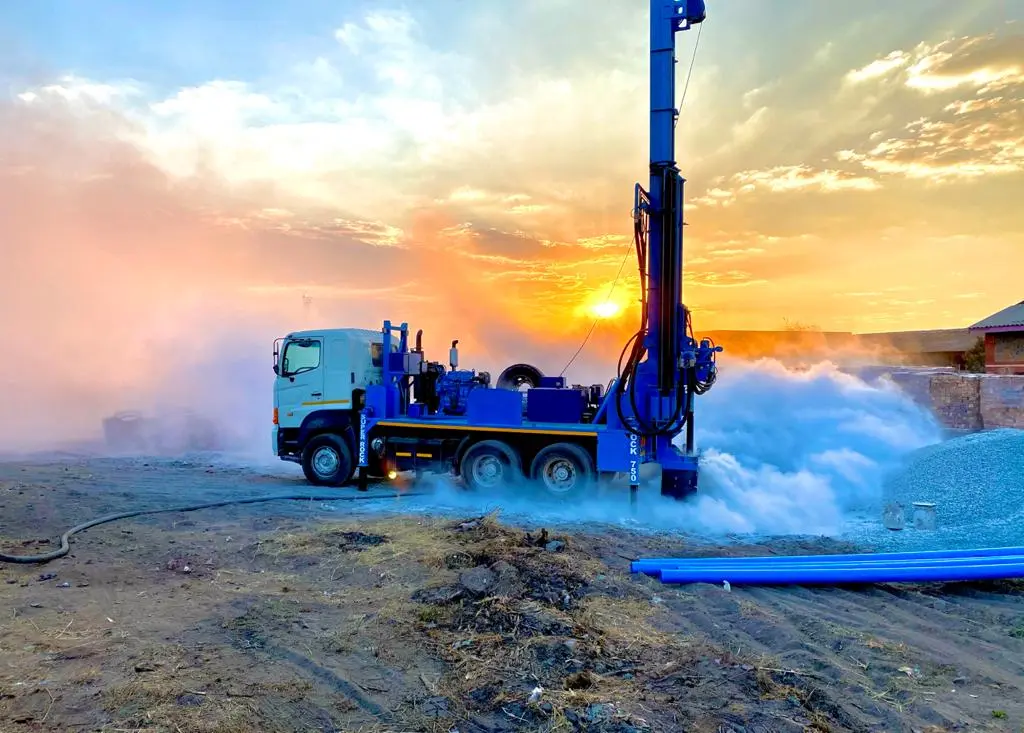
- Quality equipment – we use state-of-the-art DTH drilling rigs and premium pump brands for reliability and efficiency.
- Warranty and support – we stand behind our work with comprehensive warranties and responsive after-sales support.
- Financing options – we offer flexible payment plans to make your borehole investment more manageable.
- 98% success rate – our proven track record speaks for itself.
When you choose WaterLink Limited, you are choosing peace of mind. We are committed to delivering a borehole that meets your water needs, fits your budget, and adds lasting value to your property.
Ready to start your borehole journey? Contact WaterLink Limited today for a free, no-obligation consultation and quote. Our experts are ready to help you achieve water security for your Nairobi home.