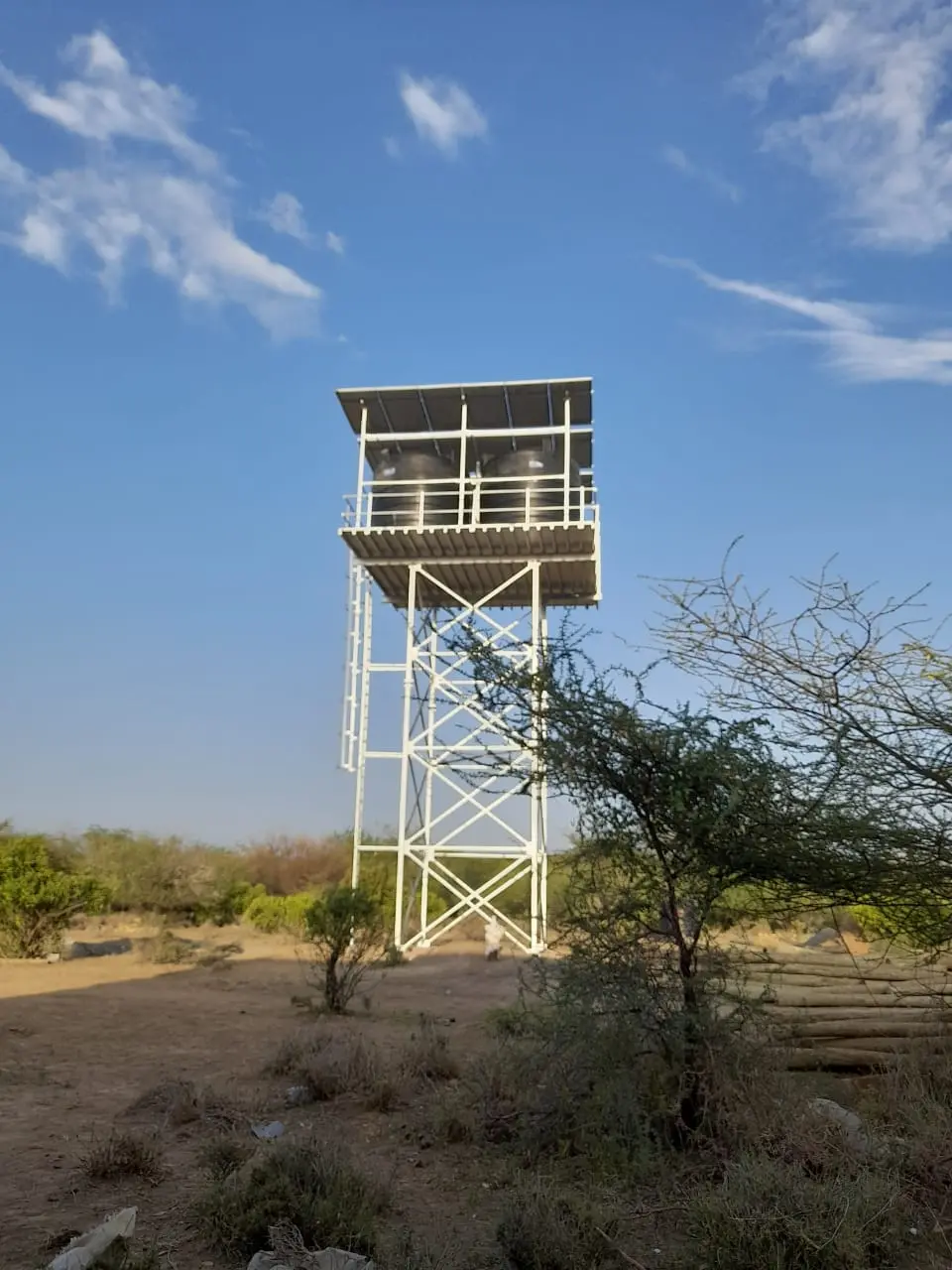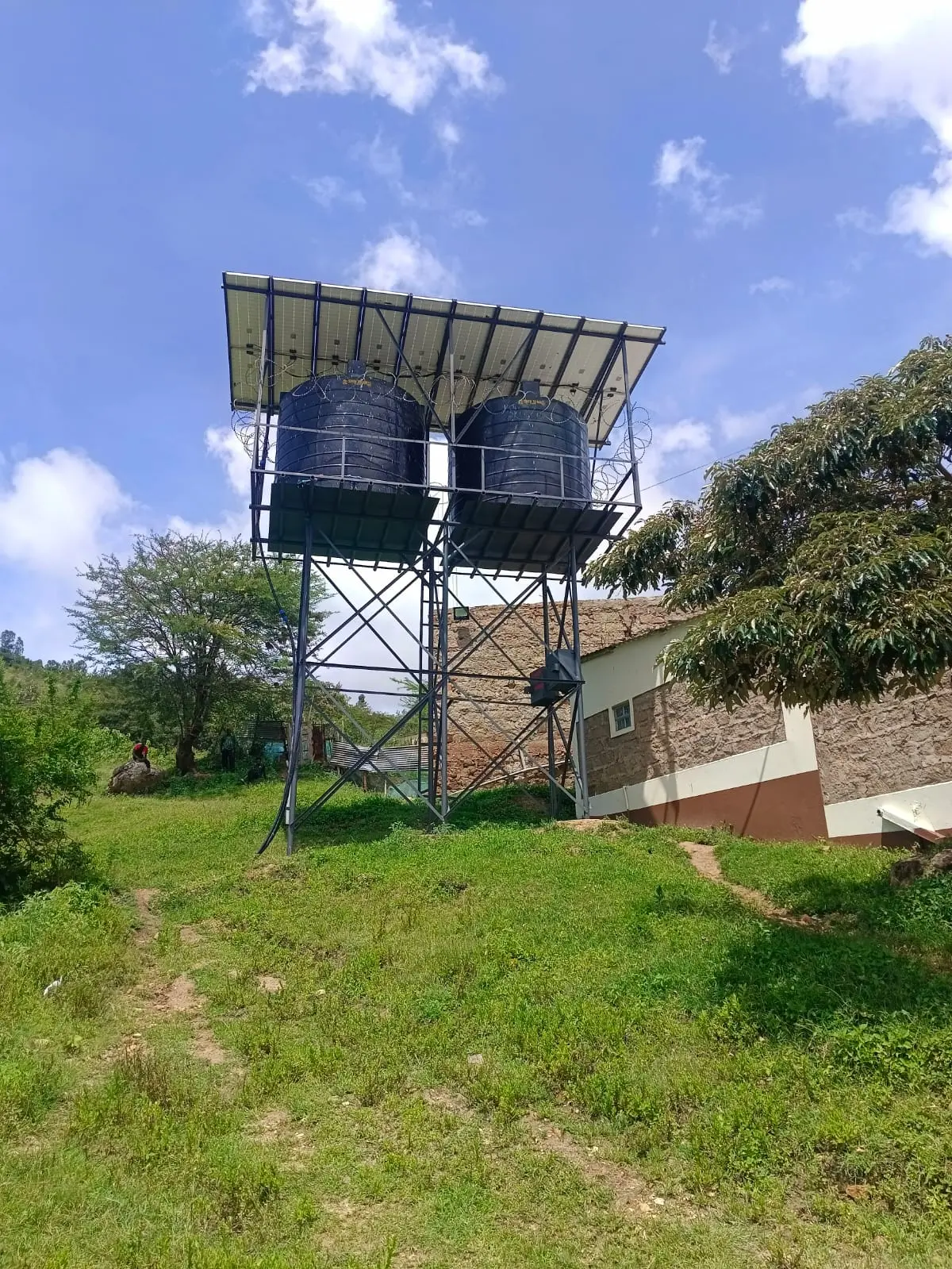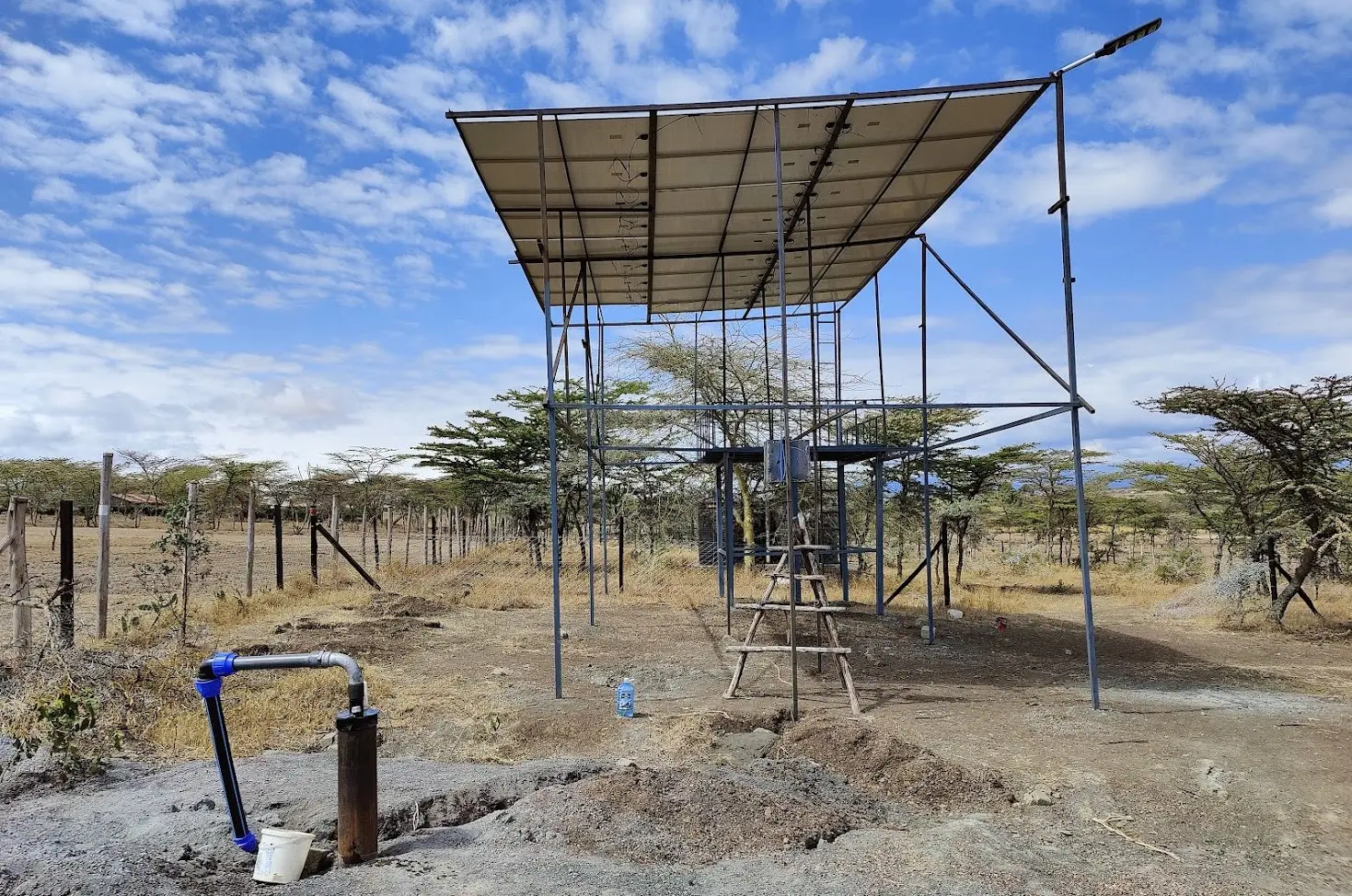
What is Borehole Maintenance?
Borehole maintenance refers to the regular inspection, servicing, and repair of all components of a borehole system to ensure it operates efficiently, safely, and reliably. This includes the pump, motor, electrical controls, piping, pressure tank, and the borehole itself (casing, screen, gravel pack). Proper maintenance is not just about fixing problems—it is about preventing them.
In Kenya, where groundwater is a critical resource for homes, farms, and businesses, a borehole is a substantial investment. Neglecting maintenance can lead to reduced yield, higher energy consumption, equipment failure, water quality deterioration, and costly emergency repairs. Regular maintenance is the key to protecting your investment and ensuring a steady water supply.
Why Regular Maintenance is Essential
Many borehole owners only think about maintenance when something goes wrong. However, proactive servicing offers significant benefits:
- Prevents costly breakdowns – identifying and fixing minor issues early avoids major failures that can cost tens of thousands to repair.
- Maximises efficiency – a well‑serviced pump uses less electricity, lowering your monthly energy bills.
- Extends equipment life – regular servicing can extend the lifespan of your pump and motor from 5–7 years to 15+ years.
- Maintains water quality – annual water testing detects contamination before it becomes a health risk.
- Ensures compliance – the Water Resources Authority (WRA) requires borehole owners to monitor abstraction and report changes; maintenance records support compliance.
- Protects your investment – a borehole costs KES 900,000–2,000,000; maintenance is a small annual cost to protect that asset.
In short, regular maintenance is not an expense—it is an investment that pays for itself through avoided repairs, lower operating costs, and a longer‑lasting borehole.
Typical Annual Maintenance Tasks
A comprehensive annual service should include the following checks and activities. Not all may be required every year, but a thorough inspection will determine what is necessary.
| Task | Description | Frequency |
|---|---|---|
| Pump performance test | Measure flow rate, pressure, and current draw; compare with baseline data. | Annual |
| Water level measurement | Measure static and dynamic water levels to assess aquifer recovery and drawdown. | Annual |
| Electrical system inspection | Check wiring, control panel, contactors, overloads, and safety switches. | Annual |
| Water quality sampling | Collect water samples for laboratory analysis (pH, TDS, hardness, bacteria, etc.). | Annual (or more frequently if concerns) |
| Borehole camera inspection | Lower a camera to inspect casing, screen, gravel pack, and condition of the borehole wall. | Every 2–3 years or if issues suspected |
| Pressure tank check | Inspect the tank for proper pressure, air charge, and signs of corrosion. | Annual |
| Piping and valve inspection | Check for leaks, corrosion, or damage above ground and in accessible sections. | Annual |
| Cleanliness and vegetation control | Keep the borehole head area clear of debris, weeds, and potential contaminants. | Ongoing |
Depending on the findings, additional work such as pump repair, screen cleaning, or even borehole rehabilitation may be recommended.
Borehole Maintenance Cost Breakdown
The cost of annual borehole maintenance in Kenya varies widely, but here is a typical breakdown for a standard residential borehole (depth 120–200 m, submersible pump). All figures are estimates for 2026.
| Service Item | Estimated Cost (KES) | Notes |
|---|---|---|
| Basic inspection and performance test | 8,000 – 15,000 | Includes pump test, water level, electrical check, visual inspection |
| Water quality testing (laboratory) | 5,000 – 10,000 | Standard parameters (pH, TDS, hardness, coliforms, etc.) |
| Borehole camera inspection | 15,000 – 25,000 | Optional, every 2–3 years |
| Pressure tank servicing | 2,000 – 5,000 | Air charge, valve check, cleaning |
| Minor pump repairs (e.g., seal replacement) | 5,000 – 20,000 | Depending on severity |
| Major pump repair or replacement | 50,000 – 200,000+ | Rarely needed every year |
| Typical Annual Service Package | 15,000 – 35,000 | Inspection, testing, basic servicing |
Many companies, including WaterLink Limited, offer annual maintenance contracts that bundle these services at a discounted rate, providing peace of mind and predictable budgeting.
Factors That Affect Maintenance Costs
Several factors influence the cost of maintaining your borehole. Understanding these can help you anticipate expenses and choose a service provider wisely.
- Borehole depth – deeper boreholes (200 m+) require more specialised equipment and longer setup times, increasing costs.
- Pump type and size – larger, more powerful pumps are more expensive to service and repair.
- Accessibility – if your borehole is in a remote or difficult‑to‑reach location, travel and logistics will add to the cost.
- Age and condition – older systems may require more extensive servicing or replacement parts.
- Water quality – water with high iron, manganese, or acidity can cause more rapid wear on pumps and screens, requiring more frequent maintenance.
- Service provider – rates vary between contractors. Always choose a WRA‑licensed, experienced provider for quality assurance.
- Maintenance contract vs. ad‑hoc – annual contracts often offer better value and priority service compared to calling for repairs only when needed.
When budgeting, consider not only the service fee but also the potential cost of parts and the value of avoiding a catastrophic failure.
How to Budget for Borehole Maintenance
Planning for maintenance costs ensures you are never caught off guard. Here are some practical tips:
- Set aside an annual fund – allocate KES 20,000–40,000 per year for routine maintenance. This is a small fraction of the borehole's total cost.
- Consider a maintenance contract – many providers offer fixed‑price annual plans that cover inspections, testing, and basic servicing, making budgeting predictable.
- Monitor performance regularly – keep an eye on your electricity bills, water pressure, and flow rate. A sudden increase in energy use or drop in pressure may indicate a problem that, if addressed early, will cost less.
- Keep records – maintain a log of all services, repairs, and test results. This helps you track trends and anticipate when major replacements may be needed.
- Plan for major replacements – pumps typically last 10–15 years. Start saving for replacement well before they fail, so you are not forced into a rushed, expensive decision.
By taking a proactive approach, you can avoid financial surprises and ensure your borehole continues to provide reliable water for years.
How WaterLink Limited Helps with Maintenance
At WaterLink Limited, we understand that a borehole is a long‑term asset that requires ongoing care. That is why we offer comprehensive maintenance services designed to protect your investment.
- Annual service packages – we provide customisable maintenance plans that include all the essential checks, performance testing, and water quality analysis at competitive rates.
- Qualified technicians – our team is trained and experienced in servicing all types of borehole pumps and electrical systems.
- State‑of‑the‑art equipment – we use professional diagnostic tools, camera inspection systems, and water testing equipment to deliver accurate assessments.
- Transparent reporting – after every service, you receive a detailed report with findings, recommendations, and a clear cost estimate for any necessary repairs.
- Emergency response – our maintenance clients receive priority support in case of breakdowns, minimising downtime.
- WRA compliance support – we help you maintain the records required by the WRA, including abstraction logs and water quality data.
Choosing WaterLink Limited for your maintenance needs gives you peace of mind, knowing that your borehole is in expert hands. Contact us today to discuss a tailored maintenance plan for your property.