What is Borehole Insurance?
Borehole insurance is a specialised type of property insurance designed to protect your borehole infrastructure—including the casing, pump, piping, electrical components, and associated equipment—against damage, theft, and liability risks. In Kenya, as borehole drilling becomes increasingly common for homes, farms, and businesses, the need to insure these valuable assets has grown significantly.
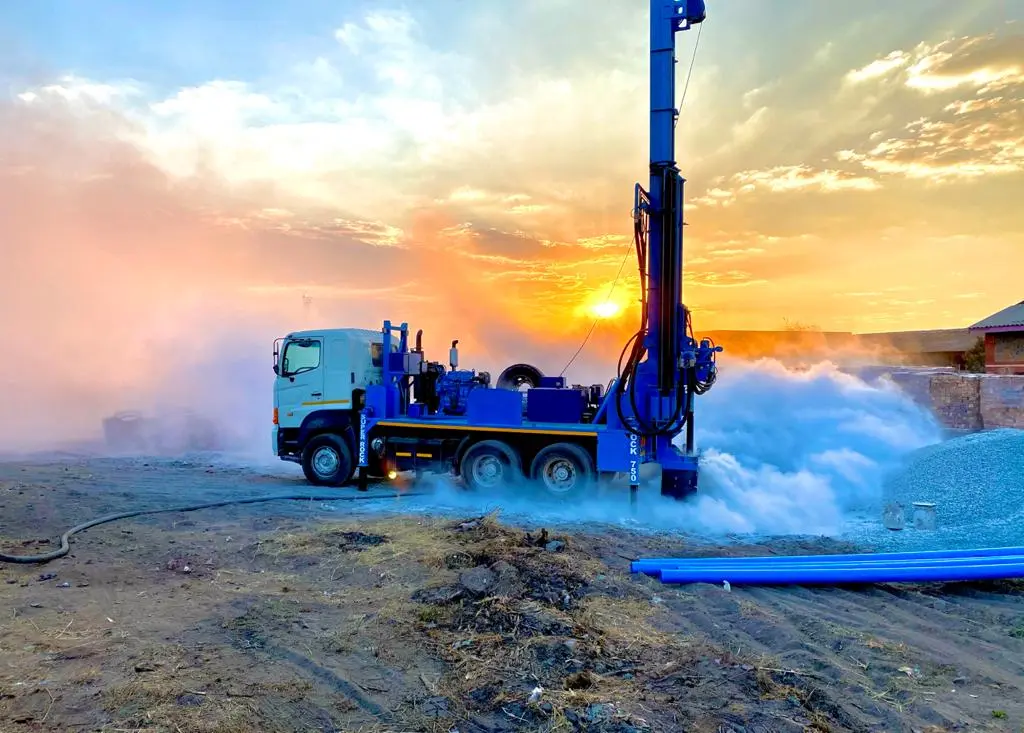
A typical borehole installation costs between KES 900,000 and KES 2,000,000, making it one of the largest capital investments a property owner can make. Without insurance, a single unforeseen event—such as a lightning strike, flood, vandalism, or mechanical failure—could result in repair or replacement costs that run into hundreds of thousands of shillings. Borehole insurance provides financial protection and peace of mind, ensuring that your water supply can be quickly restored.
In Kenya, insurance companies offer standalone borehole policies or include borehole coverage as an add‑on to existing home or commercial property insurance. The key is to understand what is covered, what is excluded, and how to choose a policy that aligns with your specific needs.
Why You Need Borehole Insurance in Kenya
Many borehole owners assume that their standard property insurance covers their borehole. However, this is often not the case, or coverage may be limited. Here are compelling reasons to consider dedicated borehole insurance:
- Protect a major investment – your borehole cost more than many vehicles; insurance safeguards that investment.
- Natural disasters – Kenya experiences heavy rains, floods, lightning, and occasional earthquakes, all of which can damage borehole infrastructure.
- Theft and vandalism – borehole pumps, motors, and copper wiring are targets for theft, especially in remote or unsecured areas.
- Mechanical breakdown – pumps and electrical components can fail unexpectedly; repairs are costly.
- Liability protection – if someone is injured at your borehole site (e.g., falling into an uncovered well), you could face legal claims.
- Business continuity – for commercial or agricultural operations that rely on borehole water, downtime can mean lost revenue. Some policies offer business interruption cover.
In short, borehole insurance is not an optional extra—it is a prudent measure that ensures your water supply remains reliable and your finances are protected.
Types of Borehole Insurance Coverage
Several types of insurance cover are available for boreholes. They can be purchased individually or combined into a comprehensive package.
| Coverage Type | What It Protects | Typical Inclusions |
|---|---|---|
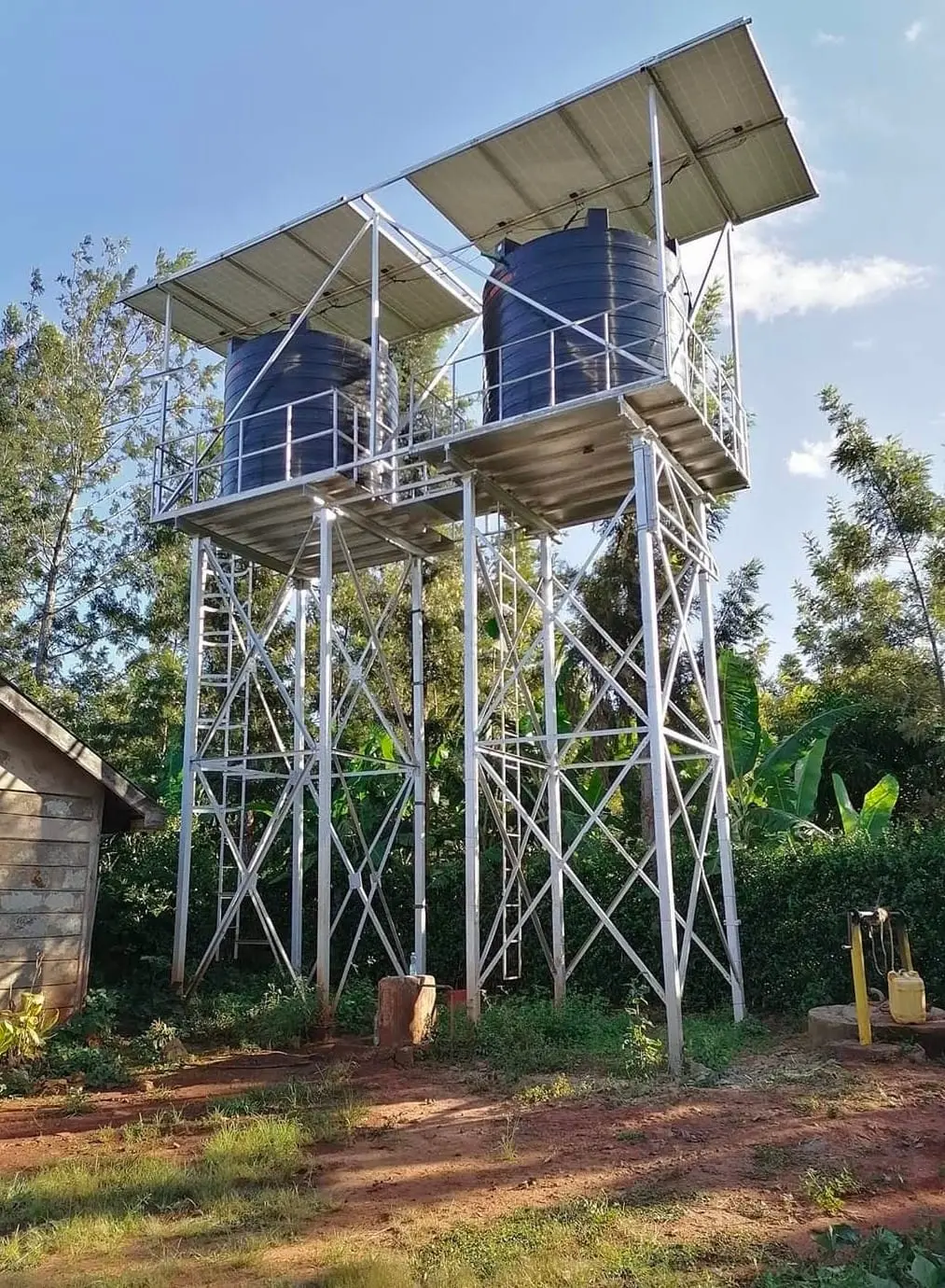
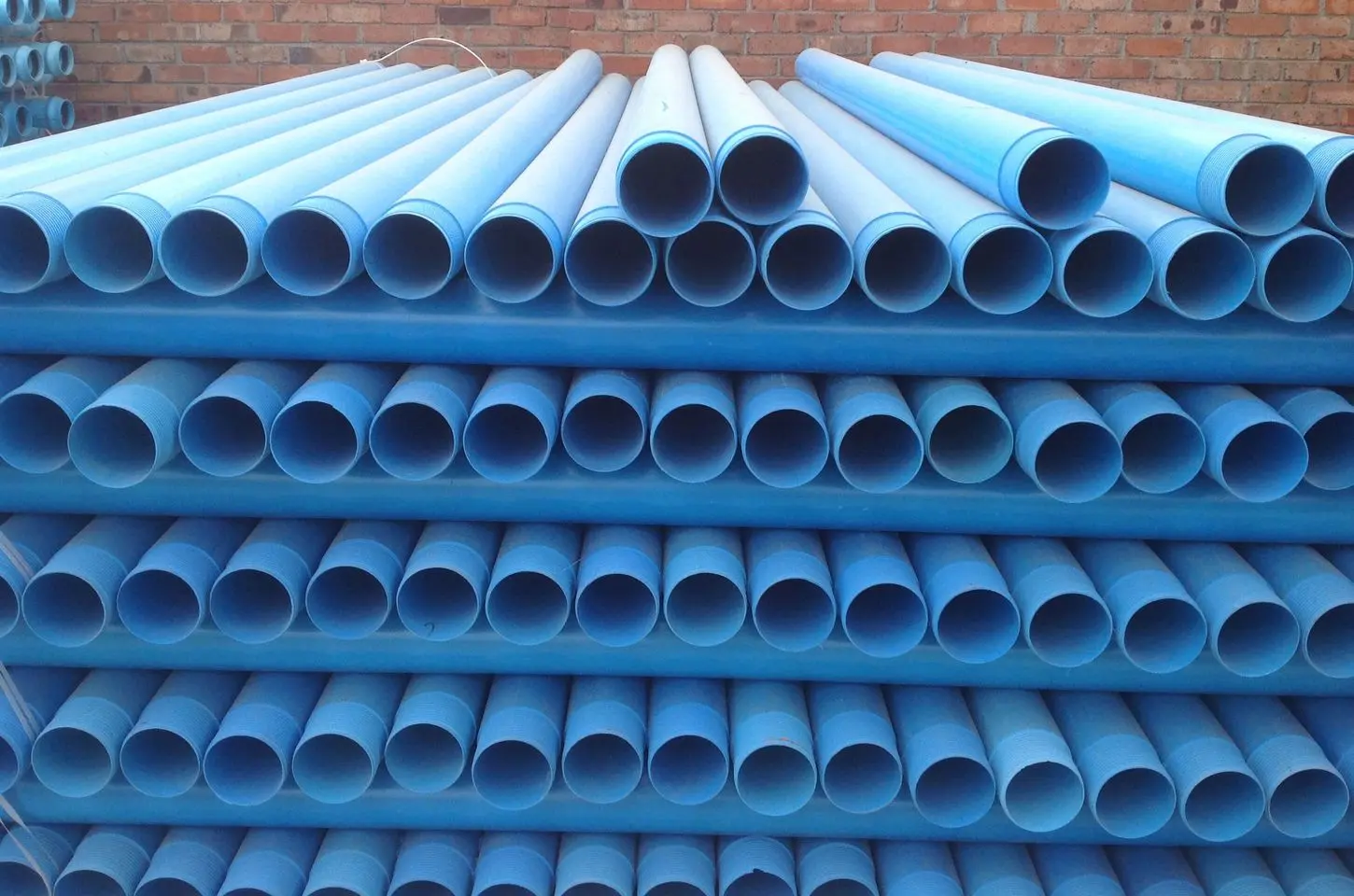
| Property/Asset Insurance | Physical borehole structures and equipment | Casing, pump, motor, pipes, electrical panel, solar panels, storage tank |
| Natural Disaster Cover | Damage from natural events | Flood, storm, lightning, earthquake, landslide |
| Theft & Vandalism | Loss or damage from criminal acts | Stolen pumps, motors, cables, control boxes |
| Mechanical Breakdown | Failure of mechanical or electrical components | Pump burnout, motor failure, control panel malfunction |
| Business Interruption | Loss of income due to borehole downtime | Reimbursement for lost profits or extra expenses (for commercial operations) |
| Public Liability | Third-party claims for injury or property damage | Legal costs, medical expenses, compensation |
Many insurers offer a bundled "all‑risks" policy that covers most of these perils, but it's important to read the fine print to understand exactly what is and isn't included.
What Does Borehole Insurance Cover – And What Doesn't?
While policies vary, here is a general guide to what is typically covered and what is commonly excluded.
Typical Covered Events
- Storms and floods – damage from heavy rain, flash floods, or wind‑borne debris.
- Lightning strikes – power surges can destroy pumps and electronic controls.
- Fire – if a fire near the borehole damages equipment.
- Earthquake – ground movement can damage casing and piping.
- Theft – removal of pumps, motors, and copper wiring.
- Vandalism – deliberate damage to equipment.
- Accidental damage – e.g., during maintenance or construction nearby.
Common Exclusions
- Wear and tear – normal ageing and gradual deterioration are not covered.
- Poor maintenance – damage resulting from neglect is excluded.
- Design defects – if the borehole was poorly designed or constructed.
- War, terrorism, or nuclear risks – typically excluded.
- Damage to the aquifer – insurance does not cover water shortages or changes in water quality.
- Consequential losses – unless you have specific business interruption cover.
Always review the policy wording carefully and discuss any questions with your insurance provider or broker.
How Much Does Borehole Insurance Cost in Kenya?
The cost of borehole insurance in Kenya varies significantly based on several factors. Below is an indicative breakdown.
| Factor | Impact on Premium |
|---|---|
| Total insured value (replacement cost) | Higher value → higher premium (typically 0.5% – 2% of insured value) |
| Location / security | Rural or high‑crime areas → higher premium |
| Depth and complexity | Deeper boreholes with more equipment → higher premium |
| Type and extent of cover | Comprehensive all‑risks → higher premium than basic fire & theft |
| Security measures | Fencing, locks, CCTV, guards → can lower premiums |
| Claim history | Previous claims → higher premiums |
| Excess (deductible) | Higher excess → lower premium |
As a rough guide, for a borehole with a total insured value of KES 1,500,000, you might expect an annual premium in the range of KES 7,500 to KES 30,000, depending on the factors above. It is always advisable to get quotes from multiple insurers and compare coverage levels.
Some insurance companies offer discounts for:
- Bundling with other policies (home, business, motor).
- Installing approved security systems.
- New boreholes with modern, high‑quality equipment.
- Membership in professional associations or groups.
How to Choose the Right Borehole Insurance Policy
Selecting the best borehole insurance policy requires careful consideration. Follow these steps to make an informed decision:
- Assess your needs – determine the total replacement cost of your borehole infrastructure, including casing, pump, motor, pipes, electricals, and any storage tanks.
- Identify key risks – consider your location (flood‑prone, high crime, lightning‑prone) and choose cover that addresses those specific risks.
- Compare policies – obtain quotes from at least three different insurers. Look beyond price; compare coverage limits, exclusions, and claim processes.
- Check the excess – a higher excess lowers your premium but means you pay more out of pocket in the event of a claim. Choose a level you can comfortably afford.
- Ask about endorsements – some insurers offer optional add‑ons for business interruption, personal injury, or equipment breakdown.
- Read the fine print – understand what is excluded and any conditions (e.g., mandatory maintenance records, regular inspections).
- Consult an expert – a broker or your borehole contractor can help you understand the technical aspects and recommend suitable cover.
At WaterLink Limited, we have extensive experience working with insurance companies and can provide detailed asset valuations and technical reports to support your insurance application.
How WaterLink Limited Can Help with Insurance
WaterLink Limited is committed to helping our clients protect their borehole investments. We offer several services that make it easier to obtain and maintain comprehensive insurance:
- Detailed asset valuation – we provide accurate replacement cost estimates for all components, ensuring you are neither over‑ nor under‑insured.
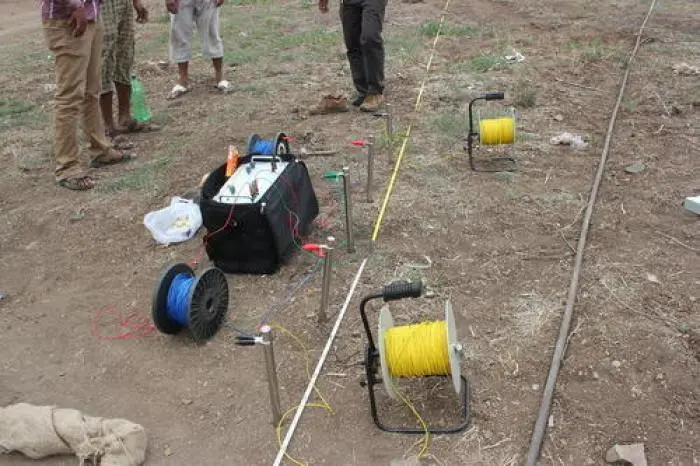
- Technical documentation – we supply drilling logs, geophysical data, pump specifications, and maintenance records that insurers often request.
- Risk assessment – our hydrogeologists can assess site‑specific risks (e.g., flood zones, security vulnerabilities) and recommend mitigation measures that may lower premiums.
- Referrals to reputable insurers – we work with several Kenyan insurance companies that offer specialised borehole cover, and we can facilitate introductions.
- Maintenance support – regular servicing by our team helps prevent breakdowns and keeps your borehole in optimal condition, which is often a condition for coverage.
By choosing WaterLink Limited for your borehole drilling and maintenance, you gain a partner who understands the importance of protecting your water asset. We are here to guide you through every step, from drilling to insurance and beyond.