Borehole vs Rainwater Harvesting: The Big Picture
When securing a reliable water supply for your home, farm, or business in Kenya, two popular options are borehole drilling and rainwater harvesting. Each has distinct advantages, costs, and limitations. This guide provides a comprehensive cost comparison to help you make an informed decision.
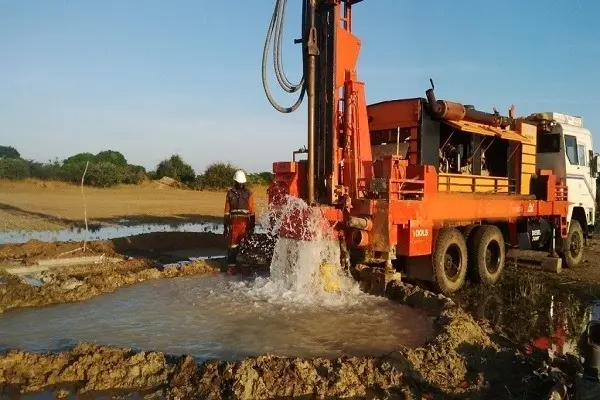
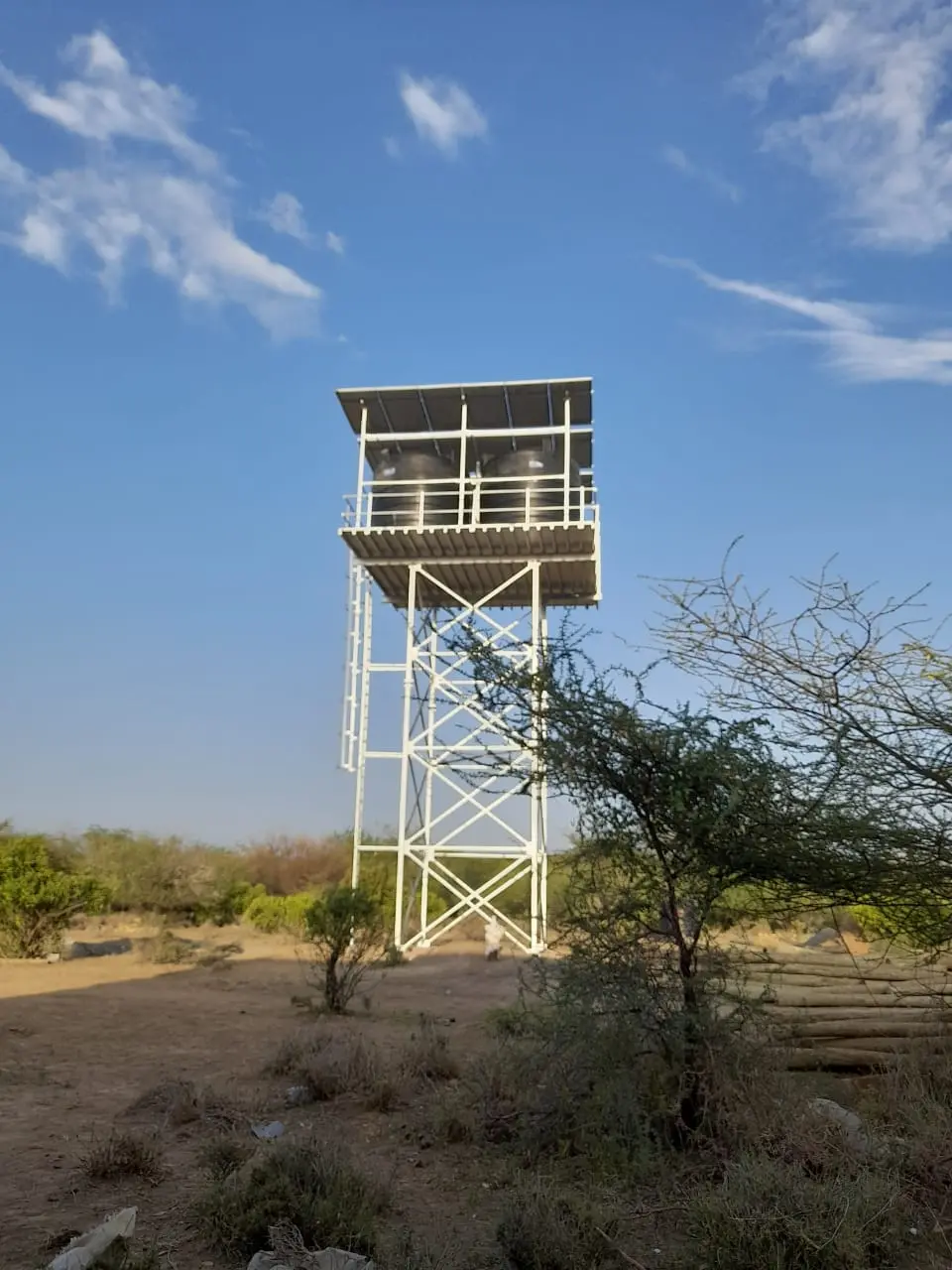
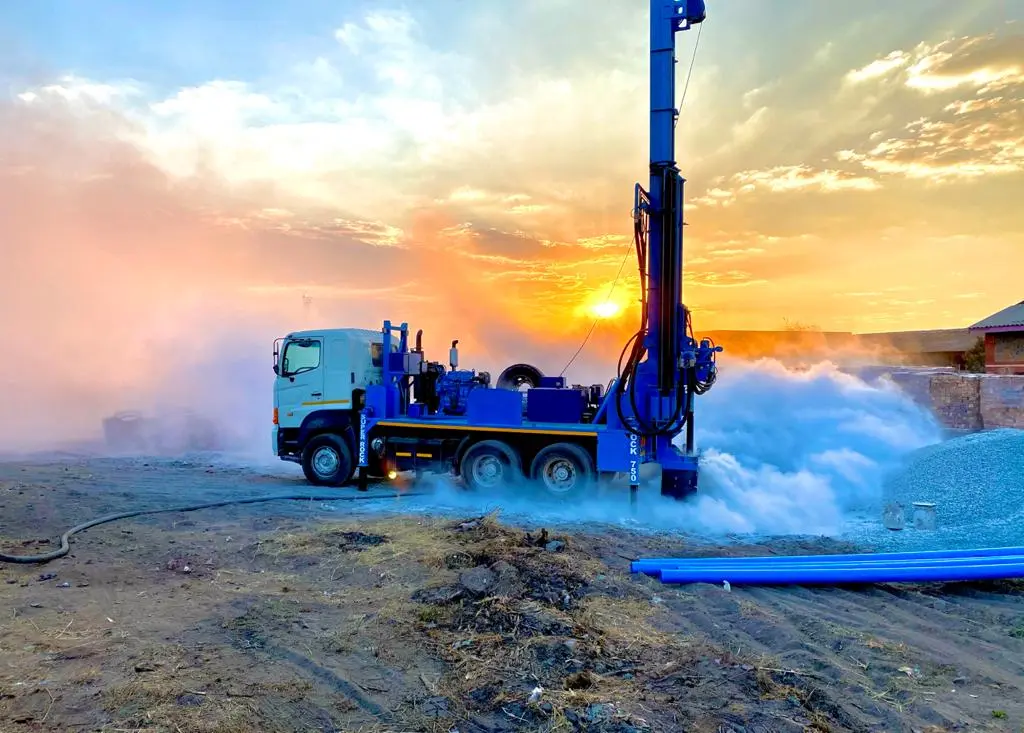
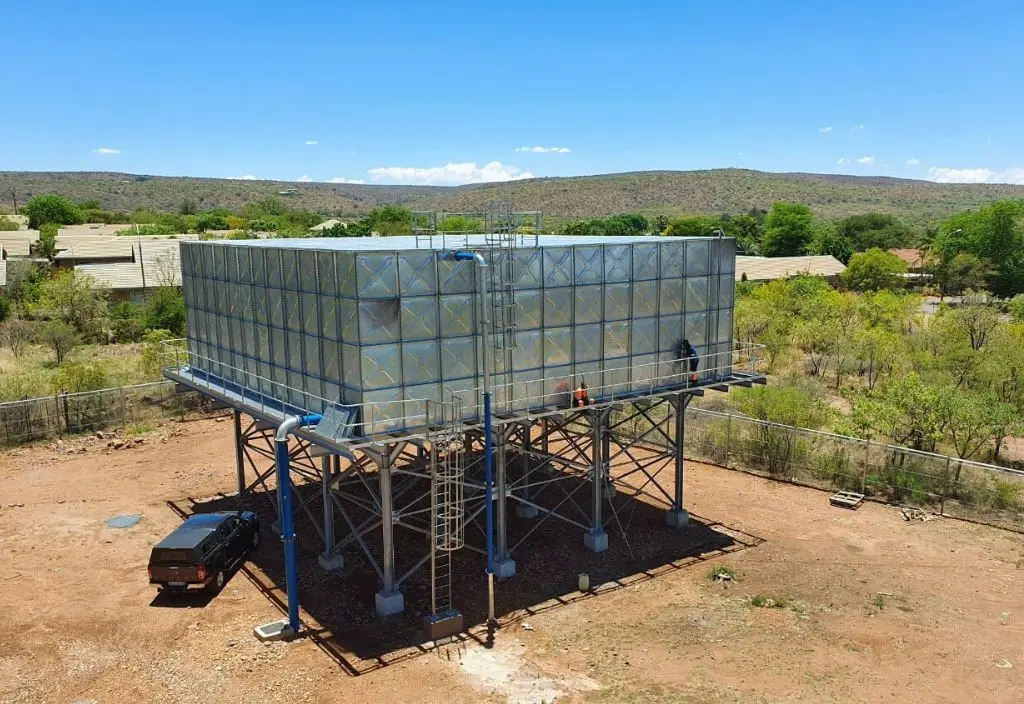
A borehole taps into underground aquifers, providing a consistent, year-round water supply independent of rainfall. A rainwater harvesting system collects and stores rainwater from roofs or other surfaces, which is then filtered and used for various purposes. The choice depends on your water needs, property characteristics, budget, and long-term goals.
Upfront Costs: Borehole vs Rainwater Harvesting
Initial investment is often the deciding factor. Below is a breakdown of typical costs for each system in Kenya (2026 estimates).
| Component | Borehole Drilling | Rainwater Harvesting |
|---|---|---|
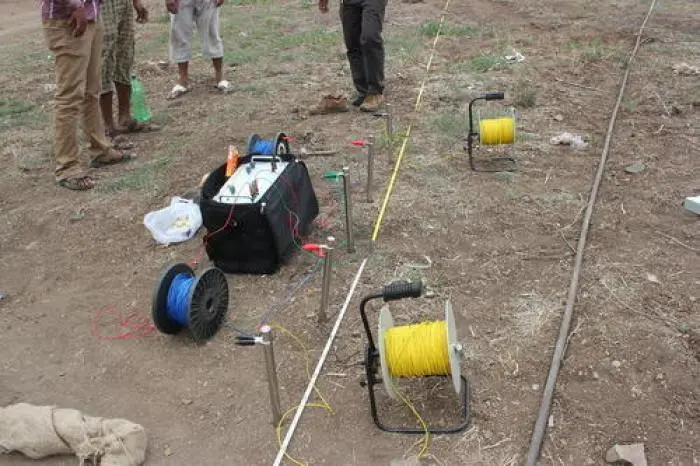
| Survey/Design | KES 50,000 – 80,000 | KES 10,000 – 30,000 (guttering design) |
| Equipment & Installation | KES 600,000 – 1,500,000 (drilling, casing) | KES 70,000 – 400,000 (tanks, gutters, pipes) |
| Pump & Distribution | KES 150,000 – 400,000 | KES 50,000 – 150,000 (if pumping is needed) |
| Permits & Approvals | KES 30,000 – 50,000 (WRA, NEMA) | Typically not required |
| Filtration/Treatment | KES 30,000 – 100,000 (optional) | KES 20,000 – 80,000 (first-flush, filters) |
| Total Estimated Cost | KES 900,000 – 2,000,000 | KES 80,000 – 500,000 |
Rainwater harvesting has a significantly lower upfront cost, making it accessible for many households. However, borehole drilling provides a much larger and more reliable water supply, which can justify the higher investment.
Long-Term Operating Costs
Beyond the initial installation, ongoing expenses differ greatly.
- Borehole: Electricity (or solar) to run the pump, periodic maintenance (pump servicing, water quality testing), and minor repairs. Typical annual costs: KES 15,000 – 40,000.
- Rainwater Harvesting: Minimal operational costs – mainly occasional tank cleaning, gutter cleaning, and filter replacement. Annual costs: KES 5,000 – 15,000.
Over a 10-year period, the borehole's total cost of ownership (capital + operating) often becomes competitive with rainwater harvesting, especially if you would otherwise pay for water deliveries or rely on expensive municipal water.
Cost per litre: Boreholes typically produce water at a lower cost per litre over their lifetime (often < KES 1 per 1,000 litres) compared to rainwater (which is essentially free once installed, but limited by storage capacity).
Reliability & Water Security
This is where boreholes have a clear advantage. A properly constructed borehole yields water every day, regardless of rainfall. In Kenya's climate, with increasingly unpredictable rainy seasons, a borehole offers true water security for homes, farms, and businesses.
Rainwater harvesting is entirely dependent on rainfall. During dry spells, you may run out of stored water. Even with large tanks (10,000–50,000 litres), a family can exhaust supply in weeks without rain. For agricultural irrigation, rainwater is insufficient for most crops.
Combining both systems can be an ideal solution: borehole as the primary source and rainwater for irrigation or as a backup to reduce pump usage.
Water Quality and Treatment
Rainwater is generally soft and low in minerals, but can contain contaminants from roofs (bird droppings, dust, debris). Proper filtration (first-flush diverters, sediment filters, UV disinfection) is essential for potable use. Costs for a good filtration system range from KES 20,000 to 80,000.
Borehole water is naturally filtered through soil and rock, often producing clean water with good mineral content. However, it may require testing and occasional treatment for hardness, iron, or manganese, depending on the aquifer. Treatment costs are usually lower than for rainwater.
Environmental Impact
Both systems are environmentally friendly compared to trucking water or relying on municipal supplies that may be energy-intensive. Rainwater harvesting reduces runoff and promotes water conservation. Boreholes, when properly sited and managed, provide a sustainable groundwater supply without depleting aquifers.
It's important to use a licensed driller who follows WRA guidelines to avoid over-extraction and ensure aquifer sustainability.
Decision Matrix: Which Is Right for You?
Use this matrix to evaluate your situation:
| Factor | Borehole | Rainwater Harvesting |
|---|---|---|
| Upfront budget | High (KES 900k+) | Low (KES 80k+) |
| Annual water demand | High (any volume) | Low to moderate (limited by storage) |
| Rainfall reliability | Not applicable | Must have adequate, reliable rainfall |
| Property size | Works on most plots | Requires sufficient roof area |
| Long-term cost per litre | Low (< KES 1/1,000 L) | Very low (essentially free) |
| Reliability | Year-round | Seasonal |
| Maintenance | Moderate (pump, electrical) | Low (cleaning, filters) |
Recommendation: If you need a consistent, high-volume water supply for a family, farm, or business, a borehole is the superior long-term investment. If you have a small household, limited budget, and live in a high-rainfall area, rainwater harvesting may suffice. Many property owners opt for both, using rainwater for gardening and borehole for domestic use.
For expert advice and a free site assessment, contact WaterLink Limited today.