What is a Pressure Tank and Why Does It Matter?
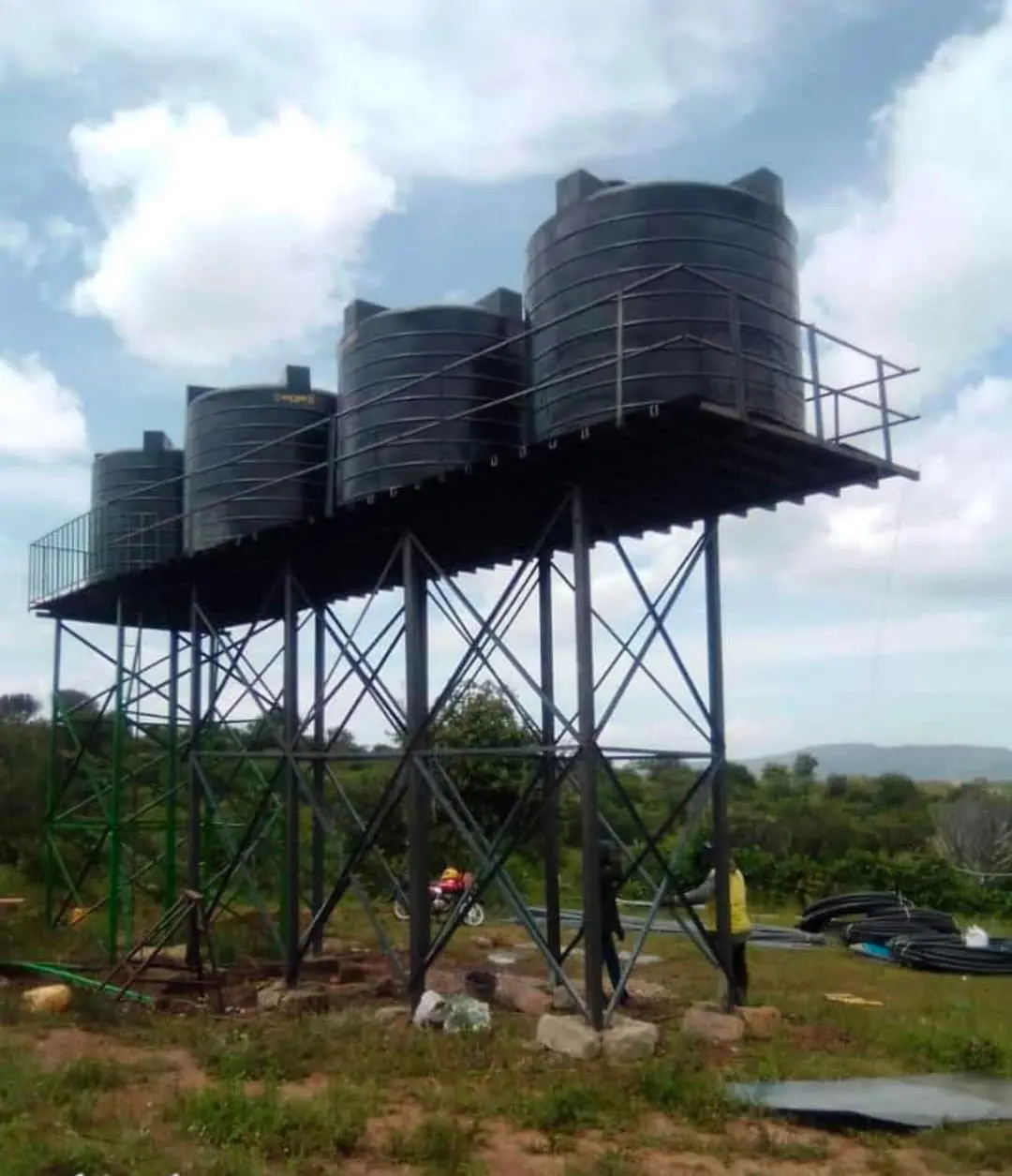
A pressure tank is an essential component of your borehole water system. It is a storage vessel that holds pressurised water from your borehole pump, ensuring that water is delivered to your taps at a consistent pressure. Without a pressure tank, your pump would need to run every time you opened a tap, leading to rapid wear and tear, higher electricity bills, and inconsistent water pressure.
The pressure tank works by storing water under pressure using compressed air. When you open a tap, the pressurised water in the tank is pushed out, maintaining pressure. As the water level in the tank drops, the pressure decreases until it reaches the pressure switch's cut-in setting, which triggers the pump to start. The pump then refills the tank until the cut-out pressure is reached, at which point the pump shuts off.
A properly functioning pressure tank provides several benefits:
- Consistent water pressure – smooth, steady flow at all taps.
- Reduced pump cycling – the pump runs less frequently, extending its lifespan.
- Energy savings – less frequent pump starts and stops reduce electricity consumption.
- Protection against water hammer – prevents sudden pressure surges that can damage pipes.
- Water reserve – provides a small amount of water during power outages or if the pump fails.
In Kenya, where power outages and voltage fluctuations are common, a well-maintained pressure tank is particularly valuable. It provides a buffer that keeps water flowing even when the pump is not running.
Types of Pressure Tanks
There are several types of pressure tanks used in borehole systems. The type you have determines how it should be maintained.
| Type | Description | Pros | Cons | Typical Lifespan |
|---|---|---|---|---|
| Diaphragm Tank | Uses a rubber diaphragm to separate air and water. The diaphragm flexes as water enters and leaves. | Reliable, no water-air contact, less maintenance | Can be more expensive, diaphragm can fail | 8–12 years |
| Bladder Tank | Uses a replaceable rubber bladder inside the tank to separate air and water. | Bladder can be replaced, good water quality | Bladder can rupture, higher initial cost | 7–10 years |
| Steel (Conventional) Tank | Air and water are in direct contact; requires regular air pressure adjustment. | Low initial cost, simple design | Prone to waterlogging, corrosion, frequent maintenance | 5–7 years |
In Kenya, diaphragm and bladder tanks are becoming increasingly popular due to their reliability and lower maintenance requirements. Steel tanks are still used but require more frequent attention.
Common Pressure Tank Problems
Pressure tanks can develop several common problems that affect your water supply. Recognising these issues early can prevent more serious damage.
| Problem | Causes | Signs | Solution |
|---|---|---|---|
| Waterlogging | Loss of air pressure, ruptured diaphragm/bladder, or water absorption | Pump cycles frequently, pressure fluctuations, water hammer | Check and recharge air pressure; replace diaphragm/bladder if damaged |
| Low air pressure | Natural leakage, air dissolving in water, or faulty valve | Short pump cycles, reduced water volume, fluctuating pressure | Recharge air pressure to correct level |
| Ruptured bladder/diaphragm | Age, water pressure, or manufacturing defect | Water coming out of the air valve, rapid cycling, complete loss of pressure | Replace the bladder or the entire tank |
| Corrosion | Poor water quality (acidic water), age | Rust-coloured water, visible rust on tank exterior, leaks | Replace the tank; consider using a stainless steel or fibreglass tank |
| Faulty pressure switch | Wear, corrosion, or electrical issues | Pump doesn't start or stop at correct pressures | Adjust or replace the pressure switch |
| Leaks | Corrosion, joint failure, physical damage | Visible water leakage, pooling around the tank | Repair or replace the tank |
Note: If your pressure tank is waterlogged, the pump will cycle rapidly (turning on and off every few seconds). This is a serious problem that can quickly damage your pump. Address it immediately.
How to Check Your Pressure Tank Air Pressure
Checking the air pressure in your pressure tank is a simple but essential maintenance task. Here's how to do it:
- Turn off the pump – switch off the power to the pump at the circuit breaker or control panel.
- Open a tap – open a tap connected to the borehole system to release all water pressure from the tank. Leave the tap open until water stops flowing.
- Locate the air valve – the air valve is usually at the top of the tank, similar to a tyre valve (Schrader valve). It may be hidden under a cap.
- Check the pressure – use a tyre pressure gauge to measure the air pressure at the valve. The reading should be 2–3 psi below the cut-in pressure of your pressure switch. For a 30/50 psi switch, the air pressure should be 28 psi. For a 40/60 psi switch, it should be 38 psi.
- Adjust if necessary – if the pressure is too low, add air using a portable compressor or a bicycle pump. If it's too high, release some air by pressing the valve core.
- Check the pressure again – after adjusting, verify the pressure with the gauge.
- Restart the pump – close the tap, turn the power back on, and allow the pump to refill the tank. Check for normal operation.
Tip: Always check the manufacturer's label on the tank for the recommended air pressure. The label will specify the pre-charge pressure for your specific tank model.
Step-by-Step Pressure Tank Maintenance
Regular maintenance of your pressure tank will extend its life and ensure consistent water pressure. Follow these steps:
- Monthly checks – visually inspect the tank for leaks, rust, or damage. Listen for unusual sounds or rapid pump cycling.
- Quarterly air pressure check – check the air pressure in the tank as described above. Adjust if necessary.
- Annual professional inspection – have a qualified technician inspect the tank, pressure switch, and valves. They can identify issues you might miss.
- Check the pressure switch – ensure the pressure switch is functioning correctly and the cut-in and cut-out pressures are properly set.
- Inspect the air valve – check for leaks at the air valve. If the valve leaks, replace it.
- Monitor water quality – if you notice rust-coloured water or sediment, it may indicate corrosion or internal tank damage.
- Keep records – maintain a log of pressure readings, maintenance dates, and any issues observed. This helps track the tank's performance over time.
By following these steps, you can prevent most pressure tank problems and avoid expensive repairs.
Troubleshooting Common Issues
Here is a quick troubleshooting guide for common pressure tank symptoms:
- Pump runs constantly – check for leaks in the system. Also check the pressure switch—if it fails to cut off, the pump will run continuously.
- Pump cycles frequently (rapid cycling) – this is often a pressure tank issue. The tank may be waterlogged (low air pressure) or the bladder/diaphragm may be ruptured. Check the air pressure and inspect the tank.
- Low water pressure – check the air pressure in the tank. If it's low, recharge it. Also check for clogged filters or pipes.
- Water hammer (banging pipes) – may indicate waterlogging or a failed check valve. Check the air pressure and inspect the check valve.
- Water coming out of the air valve – indicates a ruptured bladder or diaphragm. The tank needs to be replaced.
- Pressure gauge shows zero – check the pressure gauge itself (it may be faulty). Also check the air pressure and the pressure switch.
- Rust-coloured water – indicates corrosion inside the tank. If the tank is steel, it may be rusting. Consider replacing it with a stainless steel or fibreglass tank.
If you are unsure about any of these issues, it's always best to call a qualified professional. WaterLink Limited's technicians can diagnose and resolve pressure tank problems quickly and safely.
When to Replace Your Pressure Tank
Even with regular maintenance, pressure tanks have a finite lifespan. Here are signs that it's time to replace your tank:
- Age – if the tank is over 10 years old, it is approaching the end of its expected life.
- Frequent problems – if you are repeatedly recharging the air pressure or having other issues, replacement may be more cost-effective.
- Rust or corrosion – visible rust, especially on steel tanks, indicates deterioration. Rust can lead to leaks and water quality issues.
- Water coming out of the air valve – this indicates a ruptured bladder or diaphragm, which usually requires tank replacement.
- Leaks – if the tank is leaking, it may not be repairable.
- Reduced water volume – if the tank no longer provides adequate water between pump cycles, it may be failing.
- Continuous pressure problems – if you have persistent pressure issues despite maintenance, the tank may be the cause.
When replacing a pressure tank, consider upgrading to a more durable type (e.g., diaphragm or bladder) and choose a size appropriate for your water usage. WaterLink Limited can help you select the right tank for your needs.
Cost of Pressure Tank Replacement
The cost of replacing a pressure tank varies depending on the type, size, and the extent of work required. Typical costs in Kenya are:
| Service | Estimated Cost (KES) | Notes |
|---|---|---|
| Small steel tank (50–80 litres) | 5,000 – 10,000 | Including installation |
| Medium steel tank (100–200 litres) | 10,000 – 20,000 | Including installation |
| Diaphragm/bladder tank (50–100 litres) | 8,000 – 15,000 | Higher quality, less maintenance |
| Diaphragm/bladder tank (100–200 litres) | 15,000 – 30,000 | For larger households or commercial use |
| Stainless steel tank | 20,000 – 50,000+ | Long-lasting, corrosion-resistant |
| Installation labour | 3,000 – 8,000 | If replacing an existing tank |
| Pressure switch replacement (if needed) | 2,000 – 5,000 | Often recommended with tank replacement |
While the cost of a new tank may seem significant, it is far less than the cost of a burned-out pump caused by a failing pressure tank. Replacing a faulty tank promptly can save you thousands in the long run.
How WaterLink Limited Can Help
At WaterLink Limited, we offer comprehensive pressure tank services to keep your borehole system running smoothly:
- Professional inspection – we assess your pressure tank, pressure switch, and the overall system to identify any issues.
- Air pressure adjustment – we correctly set the air pressure in your tank to ensure optimal performance.
- Repairs – we can repair minor issues such as leaking valves or pressure switch problems.
- Tank replacement – if your tank is beyond repair, we supply and install quality pressure tanks from leading brands.
- System upgrades – we can recommend and install a more efficient pressure tank system, including variable speed drives or larger tanks for improved performance.
- Emergency service – if you experience a sudden pressure loss or pump failure, our team is available 24/7 to restore your water supply.
- Maintenance contracts – our annual maintenance plans include regular pressure tank checks, ensuring your system stays in top condition.
Don't let pressure tank problems disrupt your water supply. Contact WaterLink Limited today for professional service and peace of mind.