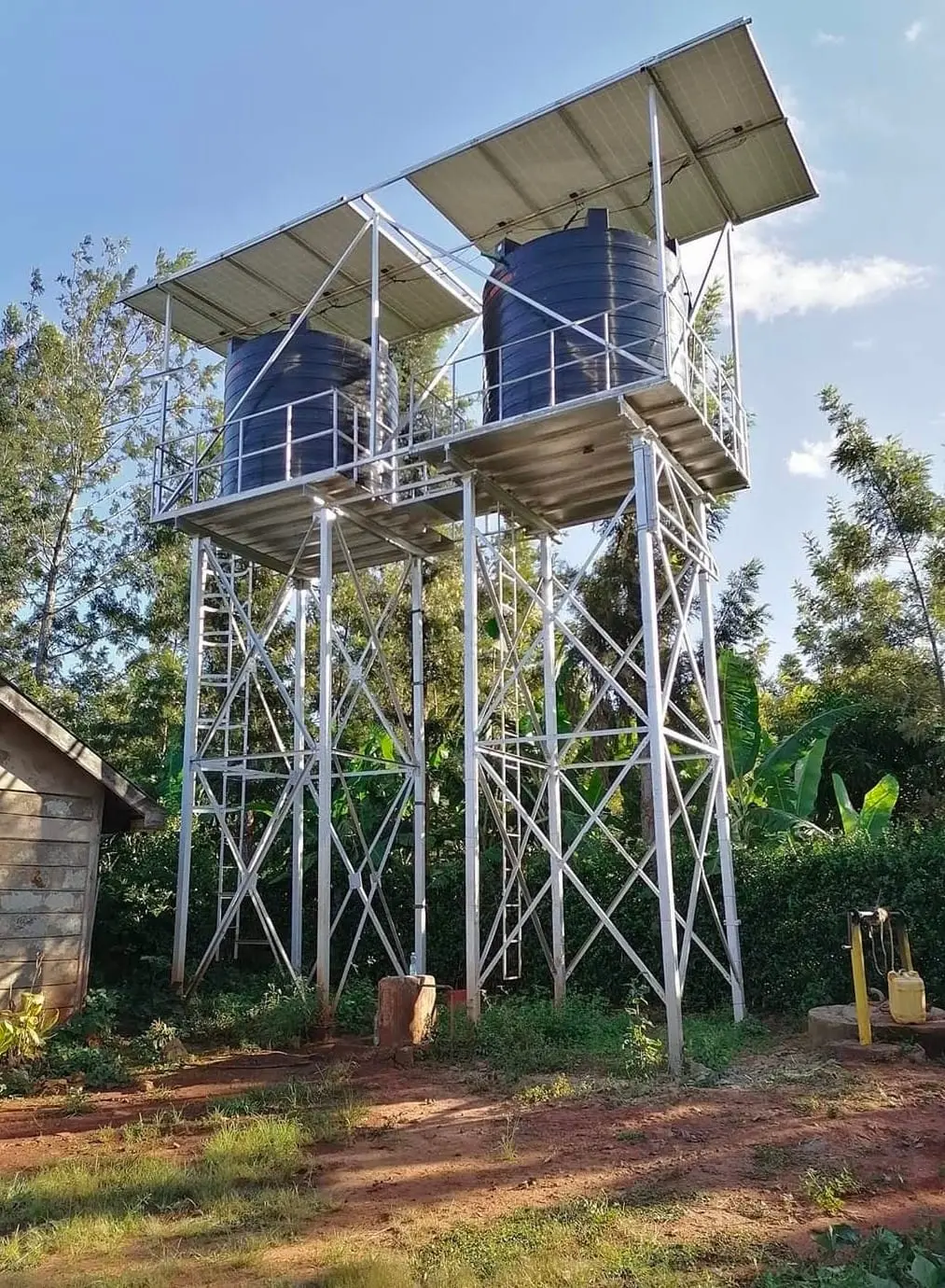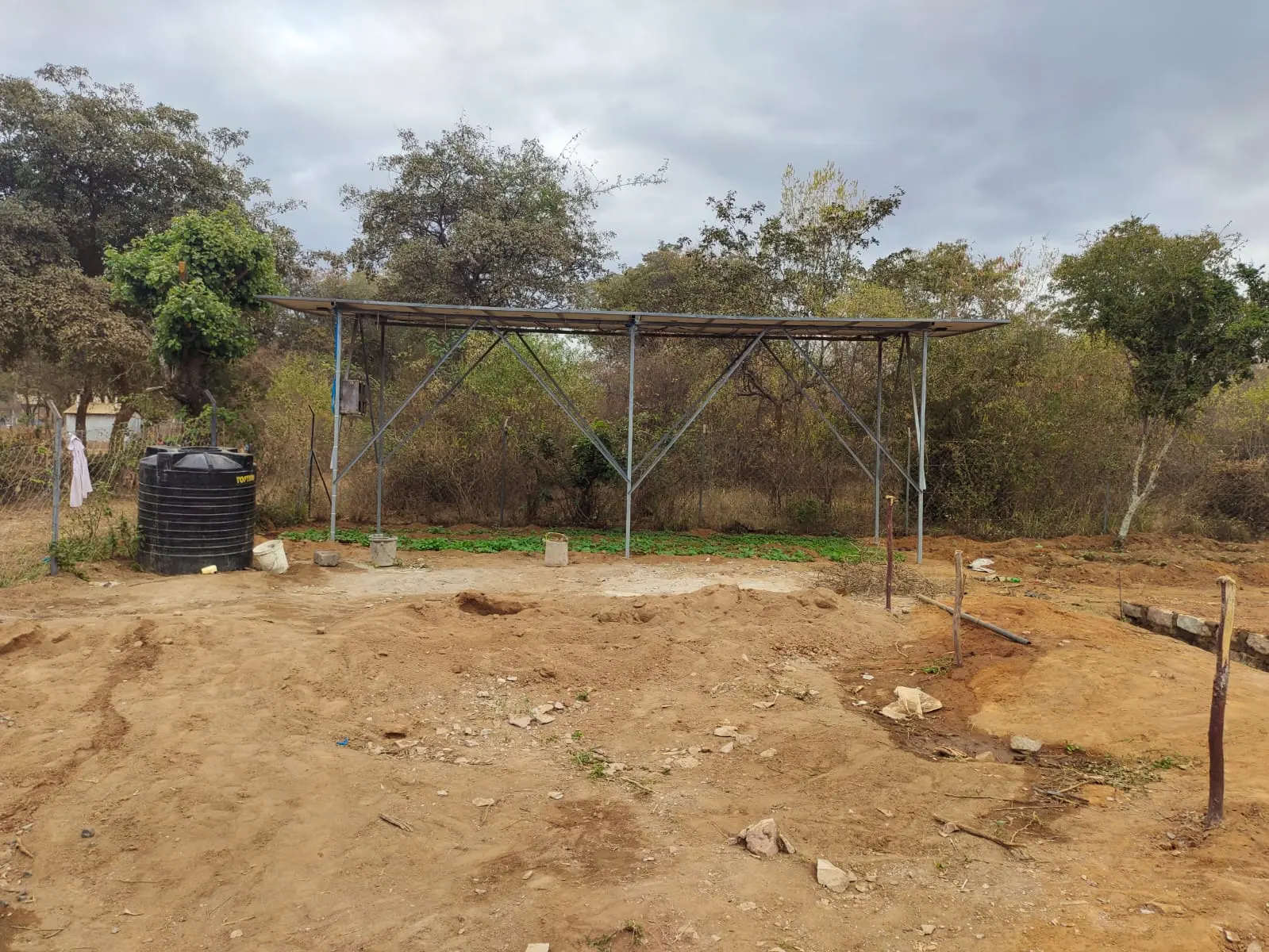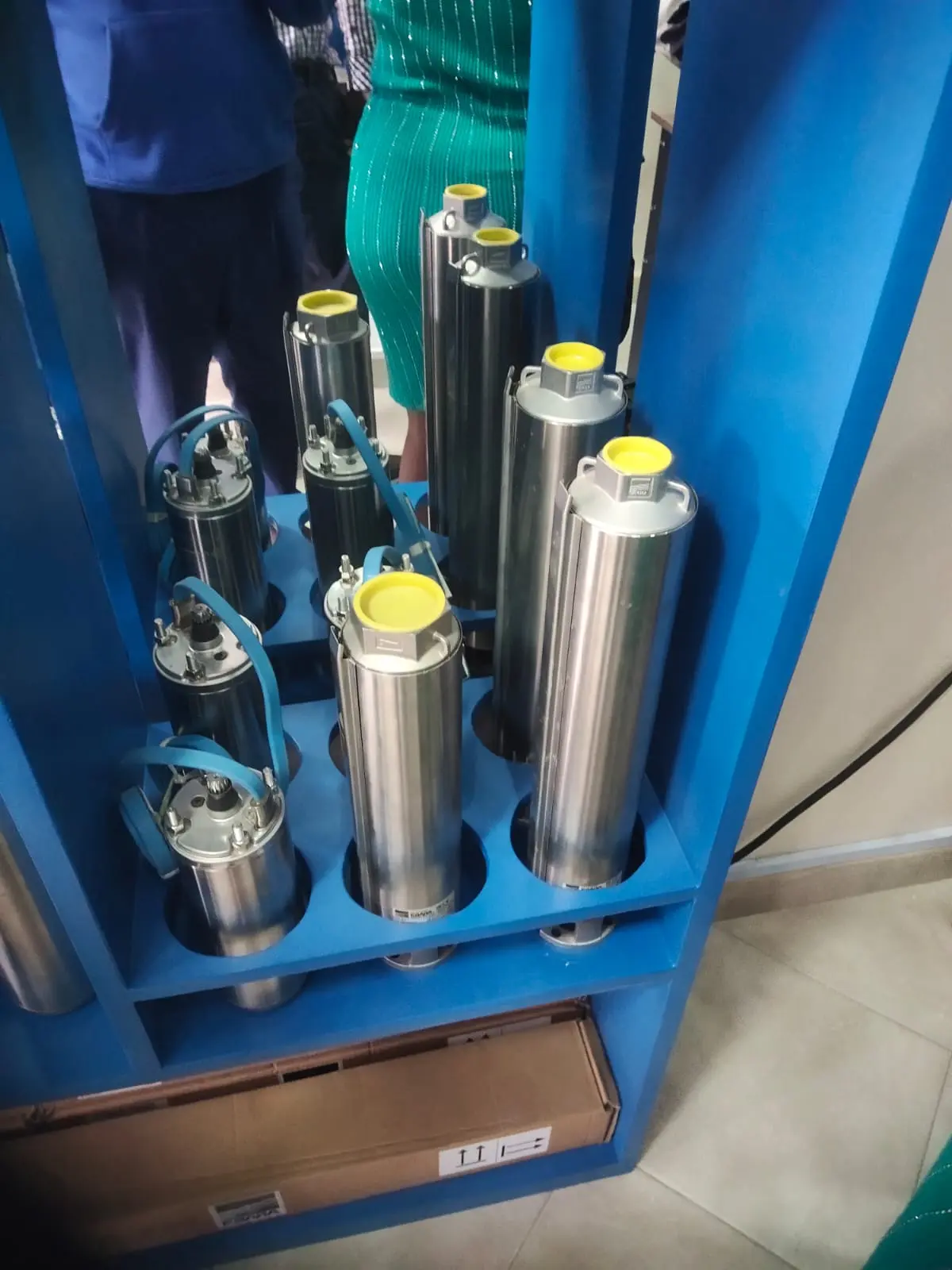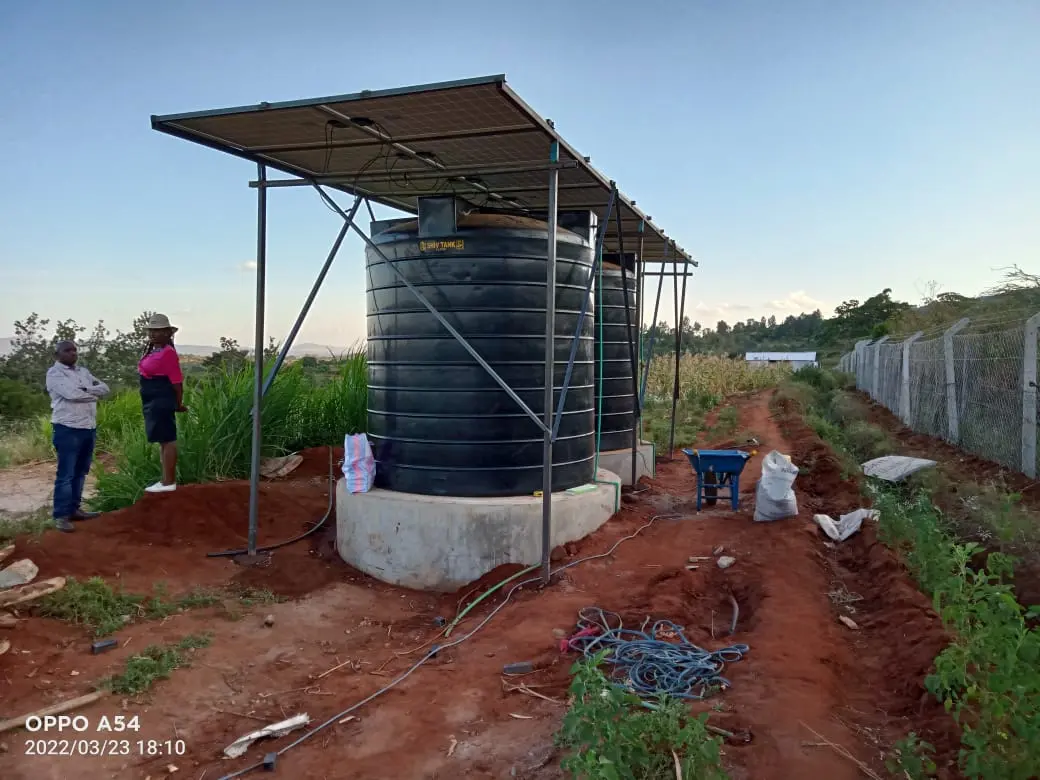
The Importance of Electrical Integrity in Borehole Systems
A borehole pump is an electromechanical system, and its electrical components are just as critical as its mechanical parts. The motor, control box, wiring, and switches work together to deliver water reliably. When electrical issues arise, they can lead to pump failure, costly repairs, and even complete system replacement.
In Kenya, power supply challenges—including voltage fluctuations, frequent outages, and lightning strikes—make electrical protection essential for borehole owners. A single power surge can destroy a pump motor that costs tens of thousands of shillings to replace, not to mention the inconvenience of losing your water supply.
This guide will help you understand common electrical issues, the importance of surge protection, and how to protect your borehole investment.
Common Electrical Issues with Borehole Pumps
Borehole pumps can experience a range of electrical problems. Understanding these issues is the first step to preventing them.
| Issue | Causes | Consequences |
|---|---|---|
| Power supply interruptions | Grid outages, faulty wiring, tripped breakers, loose connections | Pump stops working; can cause water hammer damage |
| Voltage fluctuations | Unstable grid supply, under- or over-voltage, phase imbalance | Motor overheating, reduced efficiency, premature failure |
| Lightning strikes | Direct or nearby lightning strikes on power lines or property | Catastrophic damage to motor, control box, and electronics |
| Motor burnout | Overheating, running dry, voltage issues, capacitor failure | Complete motor failure, requiring expensive replacement |
| Capacitor failure | Ageing, voltage spikes, overheating | Pump may hum but not start; motor may be damaged |
| Faulty wiring or connections | Corrosion, loose connections, damaged cables | Intermittent operation, arcing, fire risk |
| Control panel issues | Faulty relays, contactors, or overloads | Pump may not start or stop correctly |
Many of these issues can be prevented with proper electrical design, regular maintenance, and surge protection.
What is Surge Protection?
Surge protection is a device or system that protects electrical equipment from voltage spikes, or "surges." A power surge is a brief increase in voltage that can damage or destroy sensitive electronic components.
For borehole pumps, surges can come from several sources:
- Lightning strikes – the most common and destructive cause, especially in Kenya's thunderstorm-prone regions.
- Grid switching – when the power company switches supply or restores power after an outage.
- Large appliance switching – when nearby heavy machinery or appliances start up, causing voltage dips and surges.
- Internal faults – short circuits or other electrical faults within the system.
Without surge protection, a single lightning strike can destroy your pump motor, control box, and other sensitive electronics, costing you tens of thousands of shillings in repairs and downtime.
Types of Surge Protection Devices
Several types of surge protection devices (SPDs) are available for borehole pumps. The choice depends on your specific system and risk profile.
| Type | Description | Best For | Typical Cost (KES) |
|---|---|---|---|
| Type 1 (Lightning surge protection) | Installed at the main electrical panel; protects against direct lightning strikes | All borehole systems, especially in lightning-prone areas | 15,000 – 40,000 |
| Type 2 (Surge protection) | Installed at the sub-distribution board or pump control panel; protects against switching surges | All borehole systems as secondary protection | 8,000 – 20,000 |
| Type 3 (Point-of-use protection) | Installed directly at the pump control box or specific equipment | Additional protection for sensitive electronics | 5,000 – 15,000 |
| Solar surge protectors | Specifically designed for solar-powered borehole systems; protects panels and inverter | Solar-powered boreholes | 10,000 – 25,000 |
| Combined lightning and surge arrestors | Integrates both lightning and surge protection in one unit | Comprehensive protection for all systems | 20,000 – 50,000 |
For most borehole systems, we recommend a combination of Type 1 and Type 2 protection, plus a dedicated surge protector for the control panel. For solar-powered systems, additional solar-specific protection is essential.
Troubleshooting Electrical Issues
If you suspect an electrical problem with your borehole pump, follow these steps safely. Always turn off the power before inspecting any electrical components.
Step 1: Check the Power Supply
- Ensure the main circuit breaker is on and hasn't tripped.
- Check for blown fuses in the control box.
- Test the voltage at the control panel using a multimeter (minimum 220V for single-phase, 415V for three-phase).
Step 2: Inspect the Control Panel
- Check the pressure switch – ensure it is working correctly.
- Look for burnt or loose connections, signs of arcing, or burnt smell.
- Test the overload relay – it may have tripped and need resetting.
- Check the capacitor – if swollen or leaking, it needs replacement.
Step 3: Check the Pump Motor
- Using a multimeter, test the resistance between the motor windings. Significant deviations indicate a problem.
- Check for continuity to ground – if there is continuity, the motor has an internal fault.
Step 4: Look for Physical Signs
- Visible damage to cables, insulation, or connections.
- Burnt smell from the control box or motor.
- Water ingress in electrical enclosures.
Important: If you are not comfortable working with electricity, or if you suspect serious issues, do not attempt further troubleshooting. Call a qualified professional like WaterLink Limited immediately.
Preventive Measures and Best Practices
Protecting your borehole pump from electrical issues requires a combination of good design, quality components, and regular maintenance. Follow these best practices:
- Install surge protection – always install Type 1 and Type 2 surge protection devices. For solar systems, use solar-specific surge protectors.
- Ensure proper grounding – the electrical system must be properly grounded to safely dissipate lightning and surge energy. Grounding should meet Kenyan electrical standards.
- Use quality cables and connections – substandard cables or loose connections are common causes of electrical faults. Use cables of the correct gauge and ensure all connections are tight and corrosion-protected.
- Schedule regular inspections – have your borehole's electrical system inspected annually. A professional can detect early signs of wear or damage before they cause failure.
- Install a voltage stabiliser – if your area experiences frequent voltage fluctuations, consider installing a voltage stabiliser or automatic voltage regulator (AVR) for the pump.
- Keep control panels dry and accessible – moisture is a major cause of electrical faults. Ensure the control panel is mounted in a dry, ventilated location away from water sources.
- Monitor performance – track your pump's power consumption and water output. Sudden changes may indicate electrical issues.
Investing in preventive measures is far cheaper than replacing a burned-out motor or control panel.
How WaterLink Limited Can Help
At WaterLink Limited, we offer comprehensive electrical services for borehole pumps, ensuring your system is safe, reliable, and protected.
- Professional assessment – we evaluate your electrical system and recommend the right surge protection and grounding solutions.
- Surge protection installation – we install high-quality surge protection devices tailored to your specific system, including Type 1, Type 2, and solar-specific protection.
- Control panel upgrades – if your control panel is outdated or damaged, we can replace it with a modern, safer, and more efficient unit.
- Wiring and connection services – our certified electricians ensure all wiring meets Kenyan electrical standards and is safely installed.
- Emergency repairs – if your pump experiences an electrical failure, we offer rapid response and repair services to restore your water supply.
- Annual maintenance contracts – our maintenance plans include regular electrical inspections, ensuring issues are caught and addressed early.
With over 30 years of experience and a team of qualified electricians and hydrogeologists, WaterLink Limited is your trusted partner for all borehole electrical needs.