What is Borehole Rehabilitation?
Borehole rehabilitation is the process of restoring or improving the productivity of an existing borehole that has experienced a decline in yield. Over time, boreholes can become less productive due to a variety of physical, chemical, and biological factors. Rehabilitation aims to reverse these effects, restoring the borehole to its original—or even better—performance.
Rehabilitation is not the same as routine maintenance. While maintenance involves regular inspections, cleaning, and minor repairs, rehabilitation is a more intensive intervention that addresses significant blockages, structural issues, or aquifer connectivity problems. It can involve mechanical cleaning, chemical treatment, high‑pressure water jetting, hydrofracturing, or a combination of these techniques.
In Kenya, where groundwater is a critical resource for homes, farms, and businesses, borehole rehabilitation offers a cost‑effective alternative to drilling a new well. Many boreholes that have been written off as "dry" or "failed" can be successfully rehabilitated and brought back into productive service.
Why Boreholes Lose Yield Over Time
Understanding the causes of yield decline is the first step toward effective rehabilitation. The most common causes include:
- Screen clogging – mineral deposits (iron, manganese, calcium carbonate) accumulate on the screen and gravel pack, reducing the openings through which water can enter.
- Gravel pack compaction – over time, the gravel pack can settle, creating voids or reducing permeability.
- Sand and silt accumulation – fine particles can migrate into the borehole, filling the bottom and reducing the effective depth.
- Mineral incrustation – chemical precipitation (often due to changes in water chemistry) can coat the screen, casing, and pump.
- Bacterial growth – iron‑reducing bacteria and other microorganisms can form slimy biofilms that clog the screen and pipes.
- Pump wear or incorrect sizing – a worn pump may not deliver the same flow, or an oversized pump may create excessive drawdown, accelerating screen clogging.
- Aquifer depletion – over‑abstraction or prolonged drought can lower the water table, reducing the available water.
- Structural damage – corrosion, collapse, or damage to the casing or screen can restrict flow.
In Kenya's volcanic and sedimentary formations, screen clogging and mineral incrustation are particularly common. Identifying the specific cause is essential for selecting the right rehabilitation method.
Signs Your Borehole Needs Rehabilitation
Many borehole owners only notice a problem when water stops flowing. However, there are often early warning signs. Look out for:
- Reduced water yield – the most obvious sign. If you are getting less water than before, even with the same pump, there is likely an issue.
- Lower pressure – if water is reaching the surface but at lower pressure, the system may be partially blocked.
- Increased pumping costs – if the pump is running longer or drawing more current to deliver the same volume, it is working harder against resistance.
- Sediment in the water – sand, silt, or rust particles in the water can indicate screen damage or gravel pack failure.
- Frequent pump cycling – the pump turns on and off more often than usual, often due to pressure tank issues or water level fluctuations.
- Changes in water quality – discolouration, odour, or taste changes may indicate chemical reactions or bacterial growth.
- Borehole camera inspection shows blockages – a visual inspection can confirm screen clogging, scale buildup, or structural damage.
If you notice any of these signs, it is wise to schedule a professional inspection and efficiency test. Early intervention can often restore yield before the borehole becomes completely unproductive.
The Rehabilitation Process: Step by Step
A professional borehole rehabilitation typically follows these steps:
- Step 1: Diagnosis – a comprehensive assessment, including a pumping test, water level measurement, water quality sampling, and borehole camera inspection. This identifies the cause and severity of the problem.
- Step 2: Pump removal – the pump and riser pipe are carefully extracted to access the borehole.
- Step 3: Cleaning – the selected rehabilitation method(s) are applied to remove blockages and restore permeability.
- Step 4: Development – the borehole is surged and pumped to remove dislodged materials and confirm that flow has been restored.
- Step 5: Pump reinstallation – the pump is reinstalled, and the system is tested.
- Step 6: Post‑rehabilitation testing – a pumping test is conducted to confirm the restored yield and efficiency.
- Step 7: Reporting – you receive a detailed report with before‑and‑after data, the work carried out, and recommendations for ongoing maintenance.
The entire process can take from a few days to a week, depending on the complexity of the rehabilitation and the depth of the borehole.
Rehabilitation Methods Explained
Different situations call for different methods. Below is a summary of the most common rehabilitation techniques used in Kenya.
| Method | Description | Best For | Estimated Cost (KES) |
|---|---|---|---|
| Mechanical brushing | Rotating brushes are used to physically remove mineral deposits and biofilm from the screen and casing. | Light to moderate incrustation; screen clogging | 50,000 – 120,000 |
| High‑pressure jetting | Water is blasted at high pressure to dislodge deposits and flush debris from the screen and gravel pack. | Moderate incrustation; sand and silt accumulation | 70,000 – 150,000 |
| Chemical treatment | Acids or dispersants are injected to dissolve mineral deposits (e.g., hydrochloric acid for calcium carbonate) or break down biofilms. | Mineral incrustation; bacterial slime; severe scaling | 100,000 – 250,000 |
| Hydrofracturing (hydrofracking) | High‑pressure water is pumped into the borehole to create new fractures or open existing ones, increasing aquifer connectivity. | Low‑yield boreholes in hard rock; volcanic formations | 150,000 – 400,000 |
| Air surging | Compressed air is injected to create surges that mobilise and flush out fine sediments and debris. | Sand and silt accumulation; gravel pack cleaning | 80,000 – 160,000 |
| Combined approach | Two or more methods are used in sequence (e.g., chemical treatment followed by high‑pressure jetting). | Complex cases with multiple issues | 200,000 – 600,000 |
The choice of method depends on the diagnosis. In many cases, a combination approach yields the best results. WaterLink Limited's engineers will recommend the most effective and cost‑efficient solution for your borehole.
Cost of Borehole Rehabilitation in Kenya
The cost of borehole rehabilitation varies widely depending on the method required, the depth of the borehole, and site conditions. Below is a general guide:
- Basic mechanical cleaning – KES 50,000 – 150,000
- High‑pressure jetting – KES 70,000 – 200,000
- Chemical treatment – KES 100,000 – 250,000
- Hydrofracturing – KES 150,000 – 400,000
- Comprehensive rehabilitation (multiple methods) – KES 200,000 – 600,000
- Camera inspection and diagnostics – KES 15,000 – 30,000 (often included in a rehabilitation package)
These figures are estimates for 2026 and should be confirmed with a detailed quotation. While rehabilitation costs may seem significant, they are often far less than drilling a new borehole (which can cost KES 900,000 – 2,000,000). In many cases, rehabilitation can restore a borehole to near‑original performance for a fraction of the cost of replacement.
WaterLink Limited offers transparent, itemised quotations and can help you assess whether rehabilitation is the most cost‑effective option for your situation.
Rehabilitation vs. Drilling a New Borehole
When faced with a declining borehole, property owners often wonder: should I rehabilitate or drill a new one? Here is a comparison to help you decide.
| Factor | Rehabilitation | New Borehole |
|---|---|---|
| Cost | KES 50,000 – 600,000 | KES 900,000 – 2,000,000+ |
| Time | 2 – 7 days | 2 – 4 weeks |
| Permits required | Typically not required (repair work) | Full WRA, NEMA, county permits |
| Success rate | 70 – 95% with proper diagnosis | Uncertain; depends on hydrogeology |
| Environmental impact | Low – uses existing infrastructure | Higher – new disturbance and water use |
| Best for | Boreholes with structural integrity; blockages | Boreholes with collapsed casing; depleted aquifers |
In most cases, rehabilitation is the more economical and environmentally sustainable option. However, if the borehole has collapsed, the casing is severely damaged, or the aquifer is depleted, drilling a new borehole may be the only viable choice. A professional hydrogeologist can assess your situation and recommend the best path forward.
How WaterLink Limited Can Help
At WaterLink Limited, we have extensive experience in borehole rehabilitation across Kenya. Our team of engineers and hydrogeologists uses state‑of‑the‑art equipment and techniques to restore yield in underperforming wells.
- Comprehensive diagnosis – we start with a thorough inspection, including camera surveys, pumping tests, and water quality analysis, to identify the root cause of the problem.
- Customised rehabilitation plan – based on the diagnosis, we design a tailored plan using the most effective methods—mechanical brushing, high‑pressure jetting, chemical treatment, hydrofracturing, or a combination.
- Experienced technicians – our team has successfully rehabilitated hundreds of boreholes, including many that were considered "failed" by other contractors.
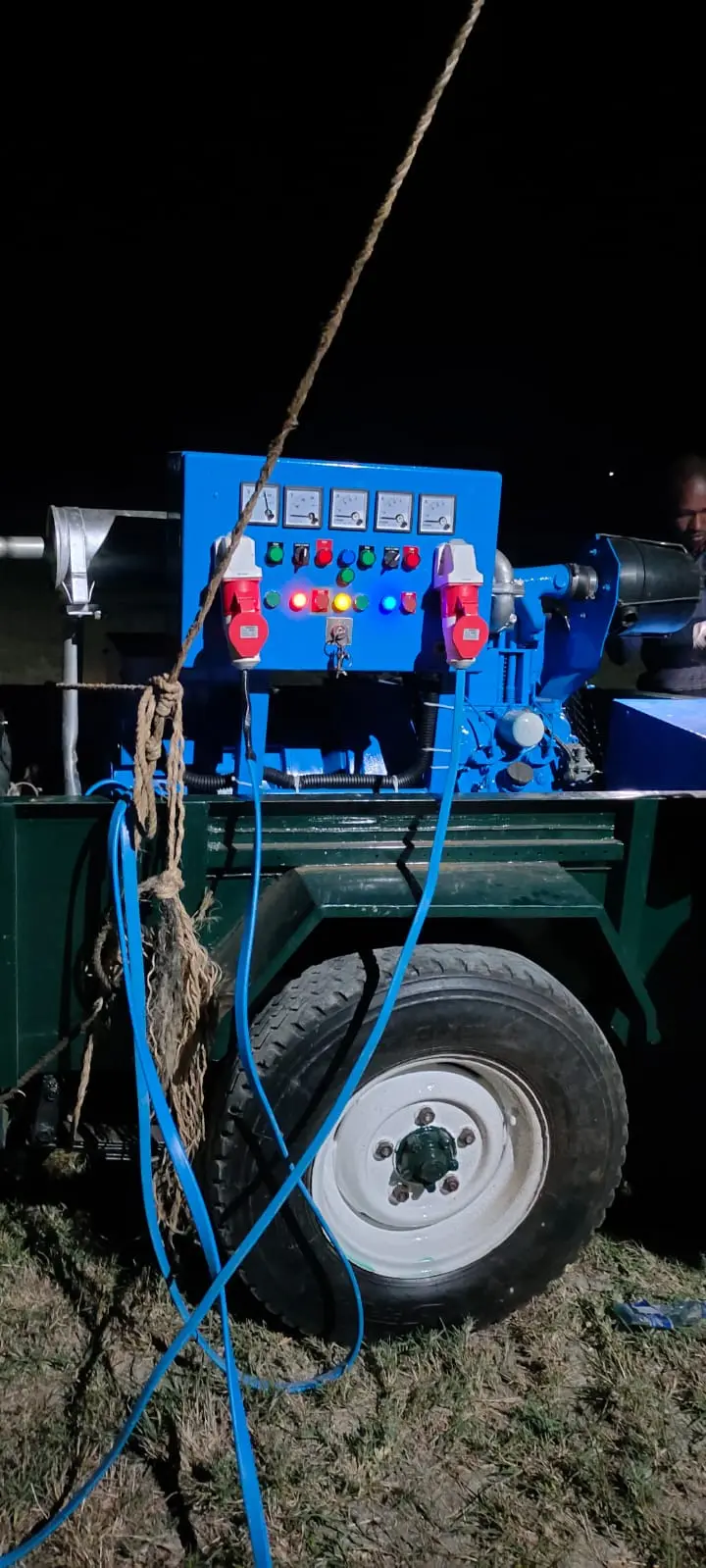
- Modern equipment – we use purpose‑built rehabilitation rigs, high‑pressure pumps, chemical injection systems, and borehole cameras to deliver reliable results.
- Transparent pricing – we provide clear, itemised quotations with no hidden fees, so you know exactly what to expect.
- Post‑rehabilitation support – we provide a detailed report, before‑and‑after data, and recommendations for ongoing maintenance to help you protect your restored borehole.
- WRA compliance – we ensure all rehabilitation work meets regulatory standards and can support your WRA reporting requirements.
Don't let a declining borehole disrupt your water supply. Contact WaterLink Limited today for a professional rehabilitation assessment and discover how we can restore your well's productivity.